

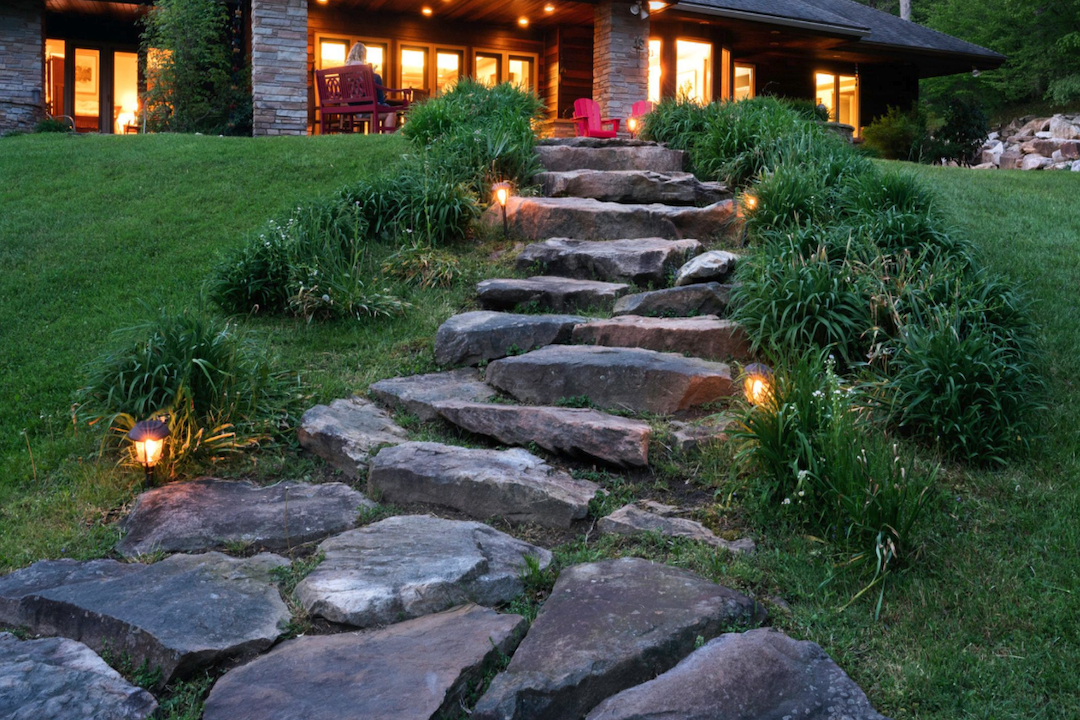
Thinking about adding a little something extra to your garden paths? Outdoor stone pathway lamps are a fantastic way to do it. They don’t just light things up so you can see where you’re going; they also add a real touch of elegance and character to your outdoor space, making it feel more inviting and a bit more special.
When it comes to pathway lighting, you’ve got lots of options. But stone pathway lamps stand out for a few good reasons. They offer a unique blend of functionality and aesthetics that other materials often can’t quite match.
Durability That Lasts
Let’s face it, your garden is exposed to all sorts of weather. Rain, sun, frost – you name it. Stone, naturally, is incredibly durable. Unlike plastic or even many metal lights that can crack, rust, or fade over time, stone lamps Lamolighting are built to withstand the elements. You’re investing in something that’s going to look good and work well for years, often decades, without much fuss. This means less time replacing broken lights and more time enjoying your garden.
A Natural Look and Feel
One of the biggest draws of stone is its organic beauty. It blends seamlessly with existing garden elements like rocks, plants, and natural pathways. Whether you have a rustic cottage garden or a more modern, minimalist landscape, stone lamps can complement the look. They don’t scream for attention; instead, they quietly enhance the natural surroundings, creating a cohesive and harmonious design. Different types of stone, from granite to slate to sandstone, offer various textures and colors, allowing you to choose one that perfectly matches your garden’s aesthetic.
Subtly Enhancing Your Garden’s Ambiance
Stone lamps aren’t typically about blasting bright light everywhere. Their design often lends itself to a softer, more diffused glow. This creates a really inviting and tranquil atmosphere. Imagine strolling through your garden in the evening, with just enough light to guide your way, and the subtle textures of the stone softened by the glow. It’s about creating an experience, not just illuminating a path. This kind of lighting can highlight specific features, create focal points, and make your garden a much more pleasant place to spend time after dark.
Choosing Your Stone Lamps: What to Consider
With so many styles and types of stone lamps available, it can feel a bit overwhelming. But by thinking through a few key points, you can narrow down your choices and find the perfect fit for your garden.
Material Matters: Not All Stone is Equal
When we say “stone,” that’s a pretty broad category. Each type has its own look and characteristics.
Granite: The Unyielding Choice
Granite is renowned for its strength and resistance to weathering. It’s an excellent choice if you’re looking for something that will truly last forever and can handle harsh conditions. It comes in a range of colors, from light grays to deep blacks, often with flecks of different minerals that add to its character. Granite lamps tend to be robust and have a solid, weighty presence.
Sandstone: Warmth and Texture
Sandstone offers a warmer, more earthy look, often in shades of tan, brown, red, or even yellow. It has a distinctive grainy texture that can add a lot of character. While still durable, it’s generally a bit softer than granite, which can make it easier to carve into intricate designs. This makes sandstone a good choice if you’re aiming for a more rustic or natural aesthetic.
Slate: Sleek and Modern
Slate, with its dark, often subtly shimmering surface, can bring a very contemporary feel to your garden. It’s often cut into flat, geometric shapes, making it suitable for modern landscapes. Slate is also incredibly durable and resistant to water penetration, making it ideal for outdoor use. Its muted tones can help certain plants and flowers pop against its backdrop.
River Rock/Cobblestone: Organic and Relaxed
For a truly natural, informal look, lamps made from river rocks or cobblestones can be wonderful. These often feature an irregular, rounded shape that blends seamlessly into a naturalistic garden design. They might be custom-made or designed to look like a collection of stones with a light source integrated. They offer a very organic and relaxed aesthetic.
Light Source: The Heart of the Lamp
The type of light source you choose will greatly affect the lamp’s functionality and your energy bills.
LED: The Modern Standard
LED lights are almost always the go-to choice nowadays, and for good reason. They are incredibly energy-efficient, using a fraction of the electricity that incandescent bulbs do. This means lower running costs and a smaller environmental footprint. LEDs also have a very long lifespan, often lasting tens of thousands of hours, which means less bulb changing. They offer a range of color temperatures, from warm whites (more inviting) to cooler whites (brighter, more functional), allowing you to fine-tune the ambiance.
Solar-Powered: Eco-Friendly and Convenient
If you want to avoid wiring altogether, solar-powered stone lamps are an excellent option. They have a small solar panel that charges a battery during the day, and then the lamp automatically turns on at dusk. While convenient and eco-friendly, it’s important to remember that their brightness and duration of light can depend on how much direct sunlight they receive during the day. In shadier areas or during extended cloudy periods, they might not perform as well as wired options.
Low Voltage Wired: Reliable and Consistent
Low voltage wired systems (typically 12V) are a popular choice for pathway lighting. They are more reliable and consistent than solar lamps, as they draw power from your main electricity supply (through a transformer, of course). Installation can be a bit more involved as it requires running cables, but it’s still much safer and easier to install than standard household electrical wiring. They offer a consistent brightness regardless of weather and are excellent for larger installations where many lamps are needed.
Style and Design: Matching Your Garden’s Personality
Just like your indoor decor, your garden has a personality. Your stone lamps should reflect that.
Traditional/Rustic: Organic Shapes and Carvings
If your garden leans towards a more classic, cottage, or rustic feel, look for lamps with softer, more organic shapes. Hand-carved details, rough-hewn finishes, or even lamps that mimic natural rock formations would fit beautifully. Sandstone and river rock are often good choices for this style.
Modern/Minimalist: Clean Lines and Geometric Shapes
For contemporary gardens, clean lines, sharp angles, and minimalistic designs are key. Think sleek granite or slate with very little ornamentation. The beauty lies in the simplicity of the form and the natural elegance of the stone. These lamps often complement modern architecture and minimalist planting schemes.
Asian-Inspired: Lanterns and Pagoda Designs
Stone lanterns, particularly those in Japanese or Chinese styles (like the iconic pagoda lanterns), can add a serene and contemplative element to your garden. These often feature multi-tiered roofs and intricate cutout patterns that cast beautiful shadows. They are perfect for creating a Zen garden feel or simply adding a touch of elegance and cultural flair.
Placement and Installation: Making it Work
Once you’ve chosen your lamps, where and how you put them in place is crucial. Good placement isn’t just about looking good; it’s about making your garden safe and easy to navigate.
Strategic Placement for Maximum Impact
Think about the user experience. You want enough light to guide people safely along the path without creating blinding hotspots or completely washing out the natural beauty of the night.
Spacing is Key: The “Landing Strip” Effect
A common mistake is placing lamps too far apart, creating pools of light with dark gaps in between. This can make a path feel uneven and even contribute to tripping hazards. Conversely, placing them too close can create a “runway” effect, which can be too bright and detract from the natural feel. A good rule of thumb for most pathway lighting is to space them roughly 6-10 feet apart, depending on the intensity of the light and the winding nature of your path. You want the light from one lamp to softly overlap with the next, creating a continuous glow.
Highlighting Features, Not Just the Path
Don’t just think about the path itself. Can a lamp also subtly illuminate a beautiful shrub, a small garden sculpture, or a water feature nearby? Using the light to draw attention to these elements can add depth and interest to your nighttime garden. Angle the light downwards or slightly across to avoid direct glare.
Avoiding Glare: Comfort is Crucial
No one wants to walk into a blinding light. Ensure the light source itself is shielded or angled downwards so pedestrians aren’t looking directly into the bulb. Many stone lamps are designed with diffusers or downward-facing fixtures specifically to prevent glare. If you’re using exposed bulbs, consider placing them slightly away from the direct line of sight.
Installation Tips: A Smooth Process
While stone lamps are durable, they often require a bit more careful handling during installation due to their weight.
Preparation is Paramount: Digging and Leveling
Before you start digging, mark out where each lamp will go. For wired systems, you’ll need to dig trenches for your low-voltage cables. Ensure the ground where each lamp will sit is level and stable. You might need to compact the soil or even lay a small base of gravel or sand to ensure the lamp sits firmly without wobbling, especially for heavier stone pieces.
Wiring (If Applicable): Safety First
If you’re installing low-voltage wired lamps, always ensure the power is turned off at the source. Use outdoor-rated cable and connectors. Many low-voltage systems are designed for DIY installation, but if you’re at all unsure, it’s always best to consult or hire a qualified electrician. Bury cables at a sufficient depth to prevent accidental damage from gardening tools.
Stability: Securing Your Investment
Stone lamps can be quite heavy, especially larger ones. Ensure they are securely installed to prevent them from tipping over, which could damage the lamp, your plants, or even cause injury. For very tall or heavy lamps, you might need to use concrete footings or anchor them into the ground with stakes. Follow the manufacturer’s specific instructions for the best results.
Maintenance and Care: Keeping Them Pristine
One of the great things about stone lamps is how little maintenance they generally require. But a little bit of care will keep them looking their best for years to come.
Cleaning: Simple and Effective
Just like any outdoor item, stone lamps can accumulate dirt, dust, moss, or algae over time.
Gentle Washing: The Best Approach
A simple wash with plain water and a soft brush or cloth is usually all it takes. For tougher grime, you can use a mild, pH-neutral soap – just make sure to rinse thoroughly afterwards to remove any soap residue. Avoid harsh abrasive cleaners or high-pressure washers, especially on softer stones or those with delicate finishes, as these can damage the surface.
Tackling Moss and Algae: Natural Solutions
If moss or algae start to grow, particularly in damp or shaded areas, a mixture of water and a small amount of distilled white vinegar can be effective. Apply it, let it sit for a few minutes, then scrub gently and rinse. There are also commercial moss and algae removers available, but always check if they are safe for the type of stone you have.
Bulb Replacement: A Rare Occurrence
With LED bulbs, you’ll likely only need to think about bulb replacement every few years, if at all.
Easy Access: Designed for Convenience
Most stone lamps are designed with easy access panels or twist-off sections to allow for bulb replacement. Refer to your lamp’s instructions for the specific method. When replacing, always ensure you use the correct type and wattage of bulb specified by the manufacturer.
Checking Connections: The Occasional Troubleshooting
For wired lights, if a lamp isn’t working, first check the bulb. If that’s not the issue, check the connections at the lamp itself and at the main transformer. Sometimes a loose connection can be the culprit. For solar lights, ensure the solar panel is clean and getting adequate sunlight; also, check the battery for signs of wear after several years.
The Added Value: Beyond Illumination
Beyond simply lighting your pathways, stone lamps bring a host of other benefits that truly enhance your garden experience.
Increased Safety and Security: A Well-Lit Path
A well-lit path is inherently safer. It reduces the risk of trips and falls, making your garden more accessible to everyone, especially evening guests. But it’s not just about visibility for walking. Pathway lights also deter intruders. A brightly lit property, even with subtle pathway lighting, suggests attention and activity, making it a less appealing target for crime.
Boosting Curb Appeal and Property Value: An Investment That Pays Off
Good landscape lighting is a significant factor in making a home attractive, both to you and to potential buyers. Stone lamps, with their durability and timeless appeal, send a clear message: this is a well-maintained, thoughtful outdoor space. They contribute to a sophisticated look that can genuinely increase your home’s curb appeal and, consequently, its market value. It’s an investment that enhances your daily life and provides a return down the line.
Extending Your Enjoyment of the Garden: Day into Night
Ultimately, stone pathway lamps help you get more out of your garden. They transform it into a space that can be enjoyed not just during the day, but long into the evening. Imagine hosting evening gatherings, enjoying a quiet dinner on the patio, or simply unwinding with a book on a garden bench as the soft glow illuminates a winding path. They bring a magical quality to your outdoor environment, making it a true extension of your living space, inviting you to linger and appreciate the beauty of your surroundings after sunset.