

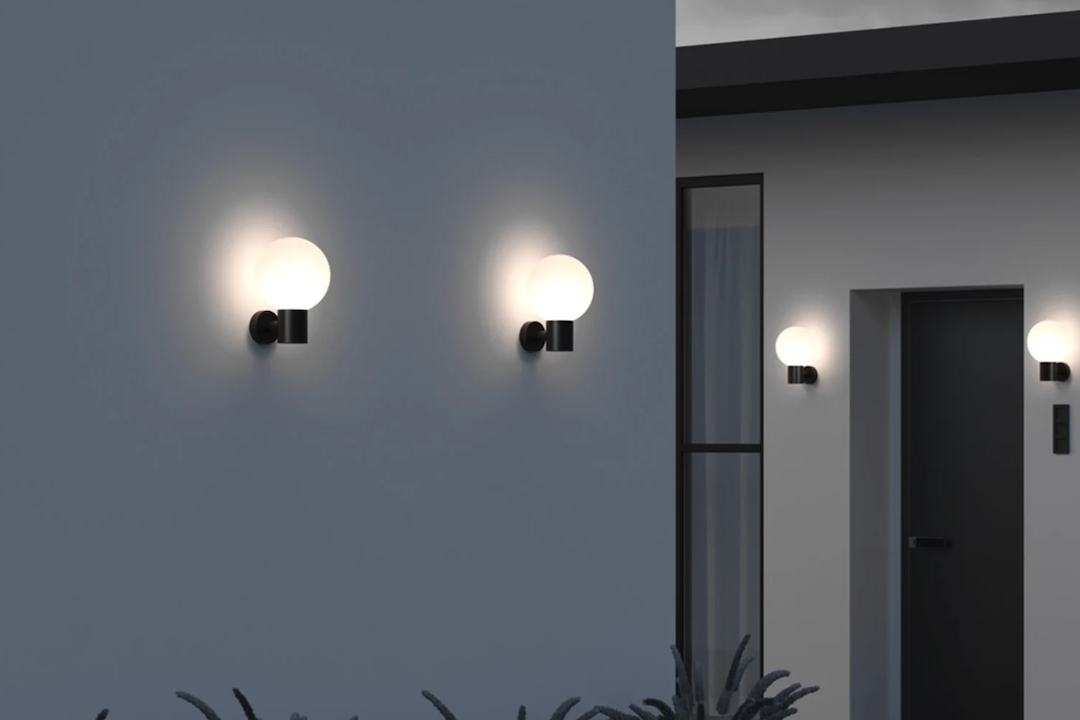
So, you’re thinking about getting some waterproof metal outdoor wall lights for your house’s exterior? Great idea! They’re a fantastic way to boost both security and curb appeal, and importantly, they’re built to handle whatever the weather throws at them. Let’s dive into what you actually need to know to pick out the right ones for your place.
Why Metal and Why Waterproof?
Before we get into the nitty-gritty, let’s quickly touch on why metal and waterproof are the go-to for exterior wall lights Simiglighting.
Durability is Key
Metal, generally speaking, is a solid choice for outdoor fixtures. It’s robust and can withstand minor bumps and knocks that might occur around your property. Beyond that, it offers a certain visual weight and quality that plastic fixtures often lack. Different metals have their own advantages, which we’ll get into shortly.
Battling the Elements
The “waterproof” part is non-negotiable. Your lights will be exposed to rain, snow, humidity, and potentially even dust and salt spray, depending on where you live. Proper sealing and robust construction are essential to prevent water ingress, which can lead to corrosion, short circuits, and ultimately, a failed light. We’re looking for fixtures designed to keep the elements out and the light working reliably for years.
Choosing the Right Metal for Longevity
When we talk about metal outdoor lights, not all metals are created equal. The material itself plays a huge role in how well the light will last and what kind of aesthetic it brings.
Aluminum: Lightweight and Rust-Resistant
Aluminum is a popular choice for outdoor lighting for good reason.
Anodized vs. Powder-Coated Aluminum
You’ll often see aluminum lights described as anodized or powder-coated. Both are protective finishes that enhance durability.
- Anodized Aluminum: This process involves an electrochemical treatment that thickens the natural oxide layer on the aluminum’s surface. This makes it incredibly hard, resistant to corrosion, and a great base for paint or other finishes. It’s a very long-lasting finish.
- Powder-Coated Aluminum: This involves applying a dry powder to the metal and then baking it. The result is a smooth, durable, and attractive finish that offers excellent protection against the elements. It comes in a vast array of colors and textures.
Benefits of Aluminum
Aluminum is naturally resistant to rust, which is a massive plus for outdoor fixtures. It’s also relatively lightweight, making installation easier, and it can be molded into a wide variety of shapes and styles, offering a lot of design flexibility.
Stainless Steel: Sleek and Strong
Stainless steel is another excellent material, particularly if you’re going for a modern or industrial look.
Grades of Stainless Steel
Not all stainless steel is created equal. For outdoor use, you’ll want to look for higher grades.
- 304 Grade Stainless Steel: This is the most common and highly recommended grade for outdoor applications. It contains chromium and nickel, which give it excellent corrosion resistance, even in coastal or high-humidity environments.
- 316 Grade Stainless Steel: This is even more resistant to corrosion, especially against chlorides (like salt). If you live right by the sea, 316 is the best bet, though it will typically come at a higher price point.
Look and Feel of Stainless Steel
Stainless steel offers a clean, contemporary aesthetic. It’s tough, resists pitting and staining, and maintains its shine well over time, though it can develop a patina.
Brass and Copper: Classic Patina and Timeless Appeal
For a more traditional or rustic look, brass and copper are fantastic options.
The Natural Aging Process
Brass and copper are reactive metals. This means they will naturally change color over time when exposed to the elements.
- Brass: Untreated brass will develop a muted golden hue and eventually a greenish patina (verdigris) as it oxidizes. This is often a desired look for those seeking a classic, aged appearance.
- Copper: Copper will also develop a distinct verdigris patina, turning from its reddish-brown color to shades of green and blue. This can be incredibly beautiful and adds a lot of character.
Living Finishes
These natural aging processes are often referred to as “living finishes” because the metal is constantly evolving. If you prefer the original shiny finish, you’ll need to ensure the fixture has a protective lacquer or coating, and be aware that these can wear down over time, requiring maintenance to maintain their original gleam. Brass and copper are naturally corrosion-resistant, but the patina is proof of their interaction with the environment.
Iron (Cast Iron and Wrought Iron): Robust but Requires Care
While beautiful, iron, especially cast iron or wrought iron, requires more attention to remain rust-free.
Protection is Crucial
These materials are prone to rust if their protective coatings are compromised.
- Powder Coating: Most iron fixtures will come with a high-quality powder coating. It’s vital that this coating is intact.
- Regular Maintenance: If you opt for an iron light, you’ll need to be prepared for occasional touch-ups if any rust spots appear. This usually involves sanding the area and repainting or touching up the protective coating.
The Aesthetic Advantage
Despite the maintenance, iron offers a substantial, classic look that can be perfect for historic homes or properties with a more traditional architectural style. The weight and solidity of iron can be very appealing.
Understanding Waterproofing and IP Ratings
This is where we get into the nitty-gritty of what “waterproof” actually means for your lights. It’s not just about being able to get wet; it’s about how well they’re sealed against various environmental factors.
The Role of IP Ratings
The Ingress Protection (IP) rating is your best friend here. It’s a standardized system that tells you how well an electrical enclosure (like your light fitting) is protected against solid objects (like dust) and liquids (like water).
Decoding the Numbers
An IP rating consists of two digits.
- First Digit: Protection Against Solids
- 0: No protection
- 1: Protected against solid objects larger than 50mm (e.g., accidental touch by hand)
- 2: Protected against solid objects larger than 12.5mm (e.g., fingers)
- 3: Protected against solid objects larger than 2.5mm (e.g., tools, wires)
- 4: Protected against solid objects larger than 1mm (e.g., fine wires)
- 5: Protected against dust (limited ingress, no harmful deposits)
- 6: Dust tight (no ingress of dust)
- Second Digit: Protection Against Liquids
- 0: No protection
- 1: Protected against vertically falling water drops
- 2: Protected against water drops falling at a 15° angle (tilt)
- 3: Protected against spraying water (up to 60° from vertical)
- 4: Protected against splashing water from any direction
- 5: Protected against water jets from any direction
- 6: Protected against powerful water jets
- 7: Protected immersion up to 1 meter for 30 minutes
- 8: Protected against continuous immersion under conditions specified by the manufacturer (often deeper or longer than 7)
- 9K: Protected against high-pressure, high-temperature steam jets
What IP Rating Do You Need?
For outdoor wall lights that will be exposed to rain and general weather, you’ll want a minimum of IP44. This means it’s protected against accidental contact with an object larger than 1mm and splashing water from any direction.
For More Exposed Locations
If your lights are in a more exposed area, like directly under a downspout, facing prevailing winds that drive rain, or in a coastal environment, aim for IP65 or higher. IP65 means it’s dust-tight and protected against water jets, making it very resilient.
- IP65: Common and reliable for most exterior wall lights.
- IP66: Offers even stronger protection against water jets.
- IP67/IP68: These are for submersion and are generally overkill for a wall light unless it’s in a very unusual, potentially flood-prone situation.
Always check the IP rating on the product packaging or description. Manufacturers worth their salt will clearly state this.
Light Source and Style Considerations
The type of light bulb and the overall design of the fixture will significantly impact the light’s effectiveness and your home’s appearance.
LED vs. Other Bulbs
LEDs have largely become the standard for outdoor lighting, and for good reason.
Energy Efficiency and Lifespan
LEDs consume significantly less energy than incandescent or halogen bulbs, which translates into lower electricity bills. They also have an incredibly long lifespan, meaning you’ll be replacing bulbs far less often. This is a huge convenience for outdoor fixtures that can be tricky to access.
Brightness and Color Temperature
LEDs come in a wide range of brightness levels (lumens) and color temperatures (Kelvin).
- Brightness: For general security and illumination, aim for around 400-800 lumens per fixture. For decorative accent lighting, you might need less.
- Color Temperature:
- Warm White (2700K-3000K): This is a soft, inviting light, similar to traditional incandescent bulbs. It’s great for creating a welcoming ambiance.
- Cool White/Daylight (4000K-6500K): This is a brighter, bluer light that can enhance visibility and is good for security lighting.
Durability of LEDs
LEDs themselves are solid-state devices, meaning they have no delicate filaments, making them naturally more durable than traditional bulbs. Make sure the entire fixture is rated for outdoor use, though, not just the LED chip.
Design Aesthetics to Match Your Home
The style of your light fixture should complement your home’s architecture.
Modern and Contemporary
Sleek lines, geometric shapes, and materials like brushed aluminum or stainless steel work well for modern homes. Think minimalist designs that offer clean illumination without fuss.
Traditional and Classic
Lantern-style lights, fixtures with seeded glass, or those made from wrought iron or dark bronze finishes are ideal for traditional or historical homes. These often add a touch of timeless elegance.
Rustic and Craftsman
Natural materials, textured finishes, and designs that evoke a connection to nature fit this style. Copper or brass with an aged patina can be perfect here.
Beam Angle and Light Distribution
Consider how you want the light to be cast.
Uplighting vs. Downlighting
- Downlighting: This directs light downwards, ideal for illuminating pathways, doorways, or patios. It can also help reduce glare and light pollution.
- Uplighting: This directs light upwards, often used to highlight architectural features or landscaping. This can create dramatic effects but can also cause more light pollution if not carefully aimed.
- Sconces: Many wall lights are sconces, casting light both up and down, or have a shade that diffuses light in a particular direction.
Diffused vs. Focused Light
Some fixtures have clear or frosted glass shades, affecting how the light is spread. Frosted glass diffuses the light for a softer glow, while clear glass allows for a more directed beam, often with visible bulb filaments (if not using LEDs).
Installation Tips and Safety Precautions
Getting your lights installed correctly is crucial for both safety and performance.
Professional Installation vs. DIY
While some DIYers are comfortable with basic electrical work, exterior lighting can be more complex due to weatherproofing requirements and potentially higher voltages.
When to Call a Professional
- Unfamiliarity with Electrical Codes: Local building codes dictate how outdoor electrical work must be done.
- Complex Wiring: If you’re adding multiple fixtures or extending existing circuits.
- Working at Height: Installing lights on upper floors requires safe scaffolding or ladder use.
- Peace of Mind: A qualified electrician ensures the job is done correctly and safely, minimizing the risk of electrical hazards or future problems.
Power Source Options
Most outdoor wall lights are wired directly into your home’s main electrical system.
Hardwiring
This is the standard and most reliable method. It ensures a consistent power supply and is generally more aesthetically pleasing as there are no visible cords.
Solar-Powered Options
While not typically “metal outdoor wall lights” in the traditional sense (as they have integrated solar panels), it’s worth noting that solar technology has improved. However, for consistent, bright illumination on a facade, hardwired is usually the better choice for performance and longevity.
Safety Checks and Maintenance
Once installed, regular checks are important.
Weatherproofing Seal Integrity
Periodically inspect the seals around the glass and housing. If you notice any gaps or damage, address them promptly to maintain the waterproof rating.
Bulb Replacement (if applicable)
Even though LEDs last a long time, if you have a fixture that uses an external bulb, ensure you use the correct type and wattage specified by the manufacturer. Always turn off the power at the breaker before changing a bulb.
Cleaning
Dust and dirt can accumulate on the fixture and glass. Clean them periodically with mild soap and water. Be careful not to damage any protective coatings or seals.
Where to Place Your Lights Effectively
Location is everything when it comes to maximizing the benefits of your exterior lighting.
Enhancing Security
Strategic placement can deter potential intruders.
Around Entryways
Porch lights, garage lights, and lights flanking doorways are essential for both welcoming guests and making unwelcome visitors feel observed.
Corner Illuminations
Lighting up the corners of your home, particularly those that are dark or recessed, can eliminate hiding spots.
Pathway and Driveway Lighting
While not strictly “wall lights,” well-lit pathways leading to your door and around your property increase visibility and make it harder for anyone to approach unseen.
Boosting Curb Appeal
Well-placed lights can transform the look of your home at night.
Architectural Highlighting
Use lights to draw attention to specific architectural features like decorative brickwork, unique windows, or imposing pillars.
Creating Ambiance
Softer, diffused lighting can create a warm and inviting atmosphere around your porch or patio areas.
Layering Light
Don’t rely on just one type of light. Combining wall lights with landscape lighting (like path lights or spotlights) can create depth and interest.
Practical Illumination Needs
Think about where you actually need light to function.
Over Doorways and Entrances
Essential for finding keys, seeing who’s at the door, and safe entry.
Next to Garage Doors
Provides visibility for parking and accessing your garage.
Along Walkways and Patios
Makes these areas usable and safe after dark.
Making Your Final Choice: Key Takeaways
Choosing the right waterproof metal outdoor wall light comes down to a few key considerations.
Prioritize Durability and Weather Resistance
Don’t compromise on the IP rating. Aim for at least IP44, and higher (IP65) for more exposed areas. The material choice (aluminum, stainless steel, brass, copper) will impact longevity and maintenance.
Match Style to Your Home
Consider the architectural style of your house and select fixtures that complement it. Whether modern, traditional, or rustic, there’s a metal light to match.
Think About Light Source and Distribution
LEDs are almost always the most practical choice for efficiency and lifespan. Decide whether you need focused downlighting, ambient uplighting, or a combination.
Safety First with Installation
If you’re not experienced with electrical work, hire a qualified electrician to ensure the lights are installed safely and correctly according to local codes.
By keeping these points in mind, you’ll be well on your way to finding waterproof metal outdoor wall lights that not only look good but also perform reliably for years to come, adding security and beauty to your home’s exterior.