

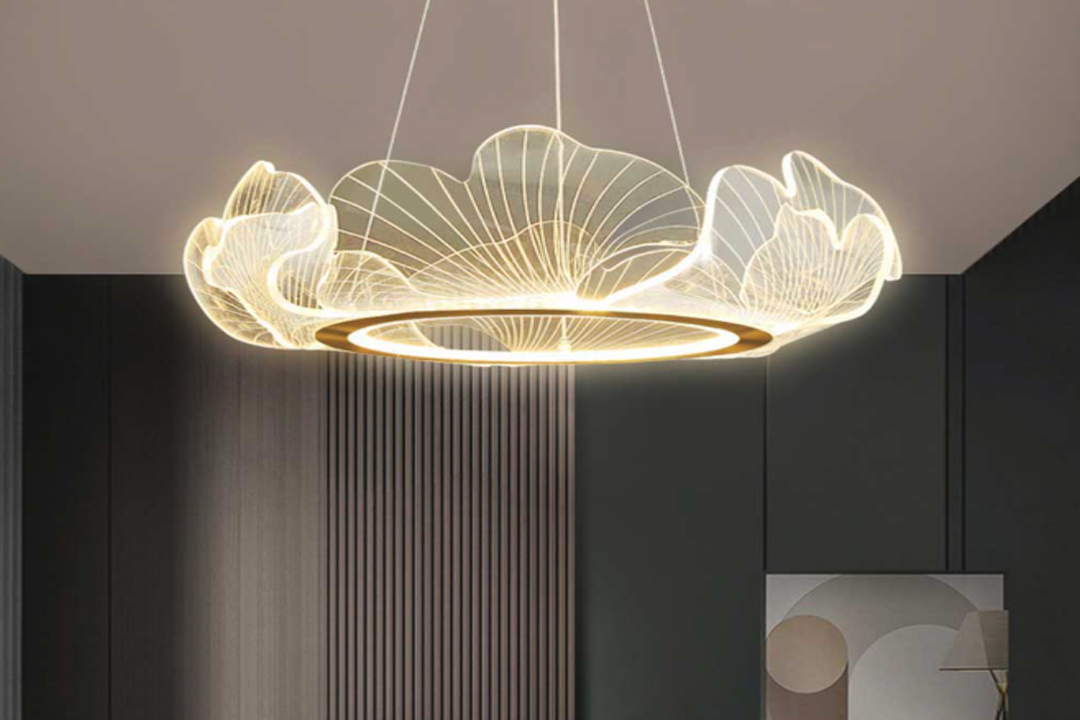
A modular acrylic panel chandelier is a lighting fixture that utilizes interlocking acrylic panels to create a customizable and often contemporary luminous design. These fixtures offer a distinct aesthetic, differing from traditional glass or crystal chandeliers in their material composition and structural approach. The modular nature allows for a degree of personalization in size, shape, and light diffusion, making them adaptable to various interior design schemes.
The emergence of modular acrylic panel chandeliers Aifeellighting can be traced to advancements in material science and a growing demand for versatile, lightweight, and more affordable lighting solutions. Unlike historical chandeliers that relied on the refractive properties of lead crystal or the solidity of glass, modern iterations leverage the unique characteristics of acrylic.
Material Science: Acrylic’s Advantages
Acrylic, also known by trade names such as Plexiglas or Lucite, is a transparent thermoplastic. Its key properties made it attractive for lighting applications:
Durability and Impact Resistance
Acrylic is significantly more shatter-resistant than glass. This inherent toughness translates to a lower risk of breakage during installation, maintenance, or in environments prone to vibrations. Its resilience makes it a practical choice for spaces where durability is paramount.
Lightweight Construction
Compared to glass or crystal, acrylic panels are considerably lighter. This weight reduction simplifies installation processes, reducing the structural load on ceilings and allowing for larger or more complex designs that might otherwise be unfeasible. The ease of handling also contributes to cost-effectiveness in shipping and installation labor.
Optical Qualities
Acrylic can be engineered with varying degrees of transparency, translucency, and light diffusion. Manufacturers can apply coatings, textures, or use colored acrylic to achieve specific aesthetic and lighting effects. This allows for precise control over how light is cast, whether it’s a sharp beam or a soft, ambient glow. Some acrylics are formulated to mimic the appearance of glass, offering a budget-friendly alternative without a significant compromise in visual appeal for some applications.
Cost-Effectiveness
The production of acrylic is generally less resource-intensive and more scalable than that of high-quality glass or crystal. This often results in a lower per-unit cost for acrylic panels, making modular chandeliers a more accessible option for a broader range of consumers and commercial projects.
Aesthetic Considerations
The aesthetic of modular acrylic panel chandeliers is typically characterized by clean lines and geometric forms. The transparency and reflective qualities of the acrylic contribute to an airy and modern feel.
Contemporary Styling
These fixtures eschew the ornate detailing often found in traditional chandeliers. Their design language is usually minimalist, focusing on the interplay of light and the geometric arrangement of the panels. This makes them well-suited for contemporary, minimalist, and industrial interior design styles.
Light Diffusion and Effects
The way acrylic panels interact with light is a defining characteristic. Depending on the panel’s finish and cut, light can be diffused, scattered, or reflected. This can create subtle shadows, prismatic effects, or a soft, uniform illumination. The panels themselves can become part of the visual spectacle as they refract and reflect light sources within.
Adaptability to Different Luminaires
Modular acrylic panels can house various types of light sources, including LED strips, incandescent bulbs, or halogen lamps. The choice of illumination directly impacts the overall effect, and the panels are designed to work in conjunction with these sources to enhance their output and aesthetic.
Modular Design Principles
The core innovation of these chandeliers lies in their modular construction. This approach allows for significant customization and flexibility, moving away from the singular, fixed design of conventional fixtures.
The Concept of Modularity
Modularity in this context refers to the ability to assemble the chandelier from individual, standardized components. These components, the acrylic panels, are designed to connect seamlessly, allowing for the creation of diverse configurations.
Interlocking Systems
Panels often employ interlocking mechanisms, such as slots, clips, or magnetic attachments, for a secure and relatively simple assembly. This eliminates the need for complex welding or intricate joining techniques, empowering users or installers to construct various forms.
Scalability and Customization
The modular system allows chandeliers to be scaled up or down. Users can add or remove panels to achieve desired dimensions, accommodating spaces of varying sizes. This also enables customization of the overall shape, allowing for linear arrangements, geometric patterns, or more organic, sculptural forms.
Ease of Assembly and Disassembly
Compared to the often intricate assembly of traditional chandeliers, modular acrylic panel units are generally designed for user-friendly installation. The interlocking nature of the components simplifies the process, and disassembly is equally straightforward, which can be beneficial for transport or reconfiguration.
Manufacturing and Fabrication
The production processes for modular acrylic panels are designed for precision and efficiency, ensuring consistency across individual components.
CNC Cutting and Precision
Computer Numerical Control (CNC) cutting technology is frequently employed to create acrylic panels with exact dimensions and intricate shapes. This precision is vital for ensuring that panels fit together flawlessly within the modular system.
Surface Treatments and Finishes
Acrylic panels can undergo various surface treatments. These include:
- Polishing: For a high-gloss, crystal-like finish.
- Etching or Sandblasting: To create frosted or textured surfaces for enhanced light diffusion.
- Coloring: By embedding pigments or applying colored films.
- 3D Texturing: To add tactile and visual depth.
These treatments are applied during or after the initial cutting, allowing for a wide range of visual effects.
Integration of Lighting Elements
The design of the modular system often incorporates channels or mounting points for integrating light sources. This ensures that the illumination is distributed evenly and effectively, complementing the aesthetic of the acrylic panels. This integration is a crucial aspect of the chandelier’s functional design.
Applications and Design Versatility
The characteristics of modular acrylic panel chandeliers make them suitable for a wide range of environments, from residential interiors to commercial spaces. Their versatility allows them to adapt to diverse design briefs.
Residential Spaces
In homes, these chandeliers can serve as focal points in various rooms, offering a modern alternative to traditional lighting.
Living Rooms and Dining Areas
Their clean lines and ability to diffuse light make them suitable for creating ambient or statement lighting in living rooms and dining areas. The customizable nature allows them to be tailored to the scale of the room and the desired mood. For instance, a long, linear arrangement might suit a modern dining table, while a more voluminous, multi-tiered design could anchor a spacious living room.
Hallways and Entryways
The lightweight nature of acrylic panels makes them ideal for hallways and entryways where a sense of welcoming illumination is desired without overwhelming the space. Their geometric forms can complement architectural features.
Bedrooms and Kitchens
In bedrooms, they can provide soft, diffused light, adding a touch of contemporary sophistication. In kitchens, particularly in more modern or minimalist designs, they can offer functional illumination that also serves as a decorative element, often positioned over islands or seating areas.
Commercial and Hospitality Environments
The durability, ease of maintenance, and aesthetic adaptability of modular acrylic panel chandeliers lend themselves well to commercial applications.
Hotels and Restaurants
In hospitality settings, these chandeliers can contribute to establishing a specific ambiance. For restaurants, they can create an intimate glow over tables, while in hotel lobbies, larger, more dramatic configurations can serve as impactful design statements. The ability to customize sizes and shapes means they can be designed to fit the unique architectural layouts of these venues.
Retail Spaces and Showrooms
For retail environments, modular acrylic chandeliers can provide bright, diffused light that showcases merchandise effectively. Their modern aesthetic aligns well with brand identities that emphasize contemporary design and innovation. They can act as luminous displays themselves, drawing attention to the space.
Office Spaces
In contemporary office designs, these fixtures can offer efficient and stylish illumination. They can be integrated into open-plan areas or used to define specific zones within an office, promoting a sense of modern professionalism. The light diffusion capabilities can help reduce glare, improving working conditions.
Integration with Architectural Styles
The clean, geometric forms of modular acrylic panel chandeliers make them particularly effective in specific architectural contexts.
Modern and Contemporary Interiors
Their aesthetic aligns seamlessly with the principles of modern and contemporary design, which often emphasize simplicity, geometric forms, and uncluttered spaces. They can act as a visual anchor in a minimalist room, providing illumination without disrupting the overall visual harmony.
Industrial and Loft Spaces
In industrial or loft apartments, characterized by exposed brickwork, metal accents, and open layouts, modular acrylic chandeliers can provide a contrasting element of clean, modern design. Their geometric structure can echo the industrial aesthetic while introducing a softer, more refined light.
Transitional Design Schemes
While predominantly modern, their adaptability can allow them to integrate into transitional design styles, where elements of modern and traditional design are blended. The specific finish and configuration of the acrylic panels can be chosen to bridge these aesthetics. For example, a brushed metal frame combined with clear acrylic panels can lend itself to a transitional space.
Lighting Characteristics and Effects
The way modular acrylic panel chandeliers distribute light is a key aspect of their functionality and appeal. The material properties of acrylic, combined with design choices, dictate the visual outcome.
Light Diffusion and Distribution
Acrylic panels are often designed to manage light in specific ways, influencing the overall ambiance of a space.
Soft, Ambient Glow
Translucent or frosted acrylic panels are excellent at diffusing light, transforming harsh, direct illumination into a soft, ambient glow. This is ideal for creating a relaxing atmosphere in residential spaces or a welcoming environment in commercial settings. The light is spread evenly, reducing glare and creating a sense of comfort.
Prismatic and Refractive Effects
Clear or textured acrylic can introduce prismatic effects, scattering light into subtle rainbows or creating interesting shadow patterns. This adds a dynamic visual element to the fixture, turning it into a piece of illuminated art. The interplay of light and the facets of the acrylic can create a mesmerizing dance of light.
Directed Illumination
When designed with specific panel shapes and integrated with focused light sources, these chandeliers can also provide directed illumination. This is useful for highlighting specific areas, such as dining tables or workstations, while still maintaining a cohesive aesthetic. The panels act as lenses, shaping the light output.
Energy Efficiency and Technology Integration
The modular nature and material allow for the seamless integration of modern, energy-efficient lighting technologies.
LED Compatibility
Modular acrylic panel chandeliers are frequently designed to accommodate LED lighting. LEDs are highly energy-efficient, long-lasting, and offer a wide spectrum of color temperatures. This compatibility ensures that the fixtures are not only aesthetically pleasing but also economically and environmentally sound. LED strips can be discretely integrated along the edges or within the panels themselves.
Dimmable Control
Many modular acrylic panel chandeliers support dimmable lighting, allowing users to adjust the intensity of the light to suit different times of day or activities. This enhances the versatility of the fixture, enabling it to transition from bright task lighting to a soft, mood-setting illumination.
Smart Home Integration
As technology advances, some modular acrylic panel chandeliers are being designed for integration with smart home systems. This allows for remote control of lighting levels, scheduling, and even color changes (if color-changing LEDs are used), offering enhanced convenience and control.
Maintenance and Durability Considerations
The practical aspects of owning and maintaining a modular acrylic panel chandelier are important factors to consider.
Cleaning and Care
Acrylic, while durable, requires specific care to maintain its clarity and finish.
Gentle Cleaning Methods
Manufacturers typically recommend using soft cloths and mild soap solutions for cleaning acrylic panels. Abrasive cleaners or rough materials can scratch the surface, diminishing its luster and light-diffusing properties. A gentle approach is key to preserving the fixture’s appearance over time.
Avoiding Chemical Damage
Certain chemicals can damage acrylic. Solvents, alcohol-based cleaners, and harsh cleaning agents should be avoided as they can cause clouding, cracking, or etching of the material. It is advisable to consult the manufacturer’s care instructions for specific recommendations.
Lifespan and Material Degradation
The lifespan of a modular acrylic panel chandelier is influenced by the quality of the acrylic used and its exposure to environmental factors.
UV Resistance
While modern acrylics often have good UV resistance, prolonged exposure to direct sunlight can, over time, lead to yellowing or embrittlement. Strategic placement or the use of UV-resistant acrylic formulations can mitigate this. This is particularly relevant for fixtures in sunlit rooms or areas with significant natural light.
Impact of Temperature
Extreme temperature fluctuations can also affect acrylic. While generally stable, significant and rapid changes could potentially lead to internal stresses in the material, though this is less common with quality manufacturing.
Replacement and Modification
The modular design offers advantages in terms of repair and adaptation.
Panel Replacement
If a single acrylic panel becomes damaged or scratched, it can often be replaced individually without needing to replace the entire chandelier. This modular repairability reduces waste and cost. The availability of standardized replacement parts is a significant benefit.
Design Updates
For those who wish to change the configuration or aesthetic of their chandelier over time, the modular system allows for redesign. Panels can be rearranged, or additional panels can be purchased and integrated to alter the size or shape of the fixture. This offers a degree of longevity and adaptability to evolving design preferences.
Considerations for Selection and Installation
When selecting and installing a modular acrylic panel chandelier, several factors come into play to ensure it meets aesthetic, functional, and practical requirements.
Material Quality and Manufacturer Reputation
The quality of the acrylic and the reputation of the manufacturer are paramount.
Assessing Acrylic Standard
High-quality acrylic will be clear, free from significant imperfections like bubbles or striations, and have a durable finish. Reputable manufacturers will often specify the type and quality of acrylic used. Researching brands and reading reviews can provide insights into product reliability.
Warranty and Support
A good warranty on the fixture and its components provides peace of mind. Manufacturers that offer accessible customer support for installation and maintenance queries are preferable. This ensures that any issues that arise can be addressed promptly and effectively.
Light Source Compatibility and Output
The choice of light source directly impacts the performance and atmosphere created by the chandelier.
Color Temperature and Brightness
Consider the desired color temperature (warm white, cool white, etc.) and the required brightness (lumens) for the space. Ensure the chandelier’s design and recommended bulbs are compatible with these needs. The acrylic’s diffusion properties will further influence how these characteristics are perceived.
Beam Angle and Distribution
The type of bulbs used will also affect the beam angle and light distribution. For instance, spotlights will create more focused beams, while omnidirectional bulbs will provide a broader spread. The modular panels can be designed to either enhance or diffuse these beams to achieve the desired effect.
Installation and Structural Requirements
Proper installation is crucial for both safety and the longevity of the fixture.
Ceiling Support and Weight Load
While acrylic is lightweight, larger or more complex modular chandeliers can still have significant weight. It is essential to confirm the fixture’s total weight and ensure that the ceiling structure can adequately support it. Professional assessment may be necessary for very large installations.
Electrical Connections and Safety Standards
All electrical work should be performed by a qualified electrician to ensure compliance with safety codes. The fixture should be properly grounded, and all connections should be secure. Understanding the fixture’s wiring diagram and any specific installation instructions is vital.
Professional Installation Services
For complex installations or for those who lack experience with electrical work, engaging professional installers is recommended. They can ensure the fixture is mounted securely and correctly wired, minimizing risks and ensuring optimal performance. This is a safety-critical step.