

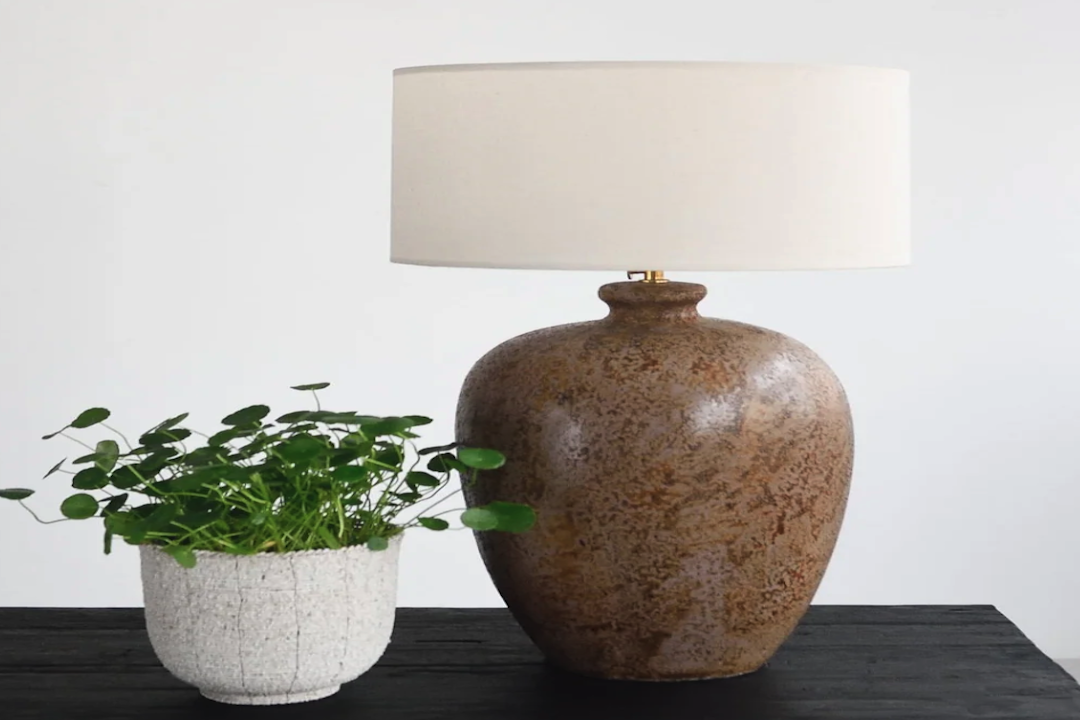
So, you’re thinking about getting a textured stone base table lamp and wondering if it’s a good idea for your home? In short, yes, it absolutely can be. These lamps offer a unique blend of natural material and functional design that can bring a touch of warmth, sophistication, and visual interest to almost any room. They’re not just about the light they cast, but also about the presence they add to your décor.
When we talk about a “textured stone base table lamp,” we’re really looking at a category of lighting Dylonon that leverages the natural beauty of stone, but with an emphasis on its surface. This isn’t just your average smooth, polished rock. The “textured” aspect is key. It means the base might have a rough-hewn finish, a carved pattern, a subtle ripple, or even a deliberately uneven, unrefined look. This texture adds a tactile and visual dimension that separates it from lamps with simpler bases.
The Appeal of Natural Materials
There’s a timeless appeal to using natural materials in our homes. Stone, in particular, has been used for millennia for its durability and inherent beauty. Bringing a piece of stone indoors, even in the form of a lamp base, connects us to the earth and adds a sense of grounding.
Durability and Longevity
Stone is inherently robust. Unlike some other lamp base materials that can be prone to chipping or scratching simply by being nudged, stone is generally quite resilient. This means your lamp, with its stone base, is likely to be a long-lasting addition to your home.
Unique Variations
No two pieces of natural stone are ever exactly alike. Even with mass-produced lamps, there will be subtle variations in color, veining, and texture from one base to another. This inherent uniqueness means your lamp will have its own personal character.
The “Textured” Element: More Than Just Surface Deep
The texture on the base is where the magic often happens. It’s not just about the material itself, but how it’s been treated or inherently formed. This texture can play a significant role in the overall aesthetic and the way the lamp interacts with its surroundings.
Visual Depth and Interest
A textured surface catches light differently than a smooth one. Shadows and highlights play across its contours, creating a dynamic visual appeal. This adds depth to your décor, preventing a space from feeling flat or one-dimensional.
Tactile Qualities
While you might not be constantly touching your lamp base, the idea of texture can also be about the tactile experience. It suggests a more substantial, grounded, and perhaps even artisanal quality compared to a plain material.
Where to Place Your Textured Stone Base Table Lamp
The versatility of these lamps is one of their biggest draws. They can anchor a space, add a functional touch to a cozy corner, or serve as a focal point on a side table. Thinking about the placement involves considering the room’s function and the desired mood.
Living Room Accents
Your living room is a prime candidate for a textured stone base table lamp. They can contribute to a cozy atmosphere while providing necessary task or ambient lighting.
Side Tables Beside Sofas and Armchairs
This is a classic placement. A lamp here provides light for reading, illuminates the immediate area, and adds a decorative element to what might otherwise be a utilitarian surface. The stone base can complement a variety of sofa and armchair materials and colors.
Console Tables or Entryway Tables
A textured stone lamp can make a welcoming statement as soon as someone enters your home. It adds a touch of elegance and personality to an often-overlooked area.
Bedroom Settings
In the bedroom, these lamps transition from decorative accents to essential bedside companions.
Nightstands for Reading and Ambiance
The warm glow of a bedside lamp is crucial for evening routines. A textured stone base can add a grounding, calming presence to your sleeping space. The texture can also prevent the lamp from feeling too stark or clinical.
Dresser Tops for Soft Illumination
If you have a dresser that could use a little something extra, a table lamp can provide soft, diffused light that highlights the area without being overwhelming.
Home Office or Study Areas
Functionality meets style in your workspace.
Desks for Task Lighting
While a focused desk lamp is often necessary, a textured stone lamp can provide ambient light that softens the overall illumination of your office, making it feel more inviting and less like a sterile workstation.
Shelving Units for Highlighting Objects
Placing a lamp on a bookshelf or display unit can draw attention to favorite books, photos, or decorative items, making your shelves more dynamic and visually appealing.
Choosing the Right Stone Type and Texture
The “stone” in textured stone base table lamp can refer to a range of materials. Understanding these differences will help you make a choice that aligns with your aesthetic and practical needs. The texture itself is also a key consideration.
Common Stone Materials Used
While actual quarried stone is used, many lamps utilize materials that mimic the look and feel of stone, offering a more accessible option.
Natural Stone (Marble, Travertine, Slate, etc.)
Genuine natural stone offers unparalleled authenticity. Marble might bring a sense of classic luxury, while travertine offers a more earthy, porous texture. Slate can provide a darker, more dramatic feel.
Pros of Natural Stone:
- Authenticity and Uniqueness: No two pieces are identical.
- Timeless Appeal: Natural materials tend to endure stylistic trends.
- Weight and Stability: Often provides a very stable base for the lamp.
Cons of Natural Stone:
- Cost: Can be more expensive than manufactured alternatives.
- Porosity and Staining: Some natural stones can be prone to staining if not sealed.
- Weight: Can be very heavy, making placement and moving more challenging.
Faux Stone and Composite Materials
Many lamps use engineered materials that are designed to look like natural stone. These can include concrete composites, resin mixed with stone powders, or other polymers.
Pros of Faux Stone:
- Cost-Effectiveness: Generally more affordable than natural stone.
- Lighter Weight: Easier to handle and move.
- Durability and Stain Resistance: Often treated to be more durable and resistant to everyday spills.
- Consistent Finish: Can offer a more uniform appearance if that’s desired.
Cons of Faux Stone:
- Less Unique: While textures can be varied, the inherent “one-of-a-kind” nature of natural stone is absent.
- Perceived Value: May not carry the same sense of inherent luxury as true stone for some.
Understanding Different Textures
The “textured” aspect is where your lamp base will really come alive. This can range from subtle to pronounced.
Rough-Hewn and Naturalistic
This texture mimics the way stone might appear if it were freshly broken or naturally eroded. It has an organic, imperfect feel.
Characteristics:
- Visible striations or facets.
- A generally unpolished, raw appearance.
- Can feel slightly uneven to the touch.
Carved and Applied Patterns
Here, the texture is deliberately created through carving, etching, or applying decorative elements to the surface.
Examples:
- Geometric patterns.
- Floral motifs.
- Abstract designs.
- Faceted or crystalline appearances.
Smooth but Tactile Finishes
Sometimes, the “texture” is less about ruggedness and more about a finish that feels substantial and offers a subtle visual variation.
Types of Finishes:
- Matte finishes that absorb light.
- Subtly uneven surfaces that create light play.
- A worn or brushed effect.
Practical Considerations: Shade and Bulb Choices
The base is only part of the equation. Your textured stone base table lamp will perform best when paired with the right shade and bulb, ensuring it complements your décor and provides effective lighting.
The Role of the Lamp Shade
The shade influences both the light output and the overall aesthetic of the lamp.
Material and Color Impact
- Linen: Offers a soft, diffused light, good for creating a cozy atmosphere. Natural linen colors can complement stone beautifully.
- Cotton: Similar to linen, offering good diffusion.
- Paper: Can provide a very crisp, clean look and a brighter light.
- Metal or Glass: Less common for a textured stone base, but can offer a more contemporary or industrial feel.
Shape and Size Harmony
The shade shouldn’t overpower the base, nor should it look too small or insignificant.
Common Shade Shapes:
- Drum: Cylindrical, offering consistent light distribution. Works well with modern or minimalist bases.
- Tapered: Wider at the bottom, narrower at the top. A classic choice that often suits traditional or transitional styles.
- Empire: Wider at the bottom than the top, with a slightly curved profile. A more traditional shape.
Bulb Selection: Beyond Just Brightness
The type of bulb you choose will affect the quality of light, its warmth, and even its energy efficiency.
Color Temperature (Kelvin)
This refers to how warm or cool the light appears.
- Warm White (2700K-3000K): Ideal for creating a cozy, inviting atmosphere, especially in living rooms and bedrooms. This often pairs well with natural stone textures for a comforting feel.
- Cool White (3500K-4100K): Brighter and more neutral, suitable for task lighting or areas where clarity is important, like a home office.
- Daylight (5000K+): Mimics natural sunlight, best for areas where you need to see fine details or a very bright, crisp light.
Lumens (Brightness)
Lumens measure the actual light output. The wattage of older incandescent bulbs was a proxy for brightness, but with LEDs, lumens are the go-to measure.
- Task Lighting: Might require 800-1100 lumens.
- Ambient Lighting: 450-800 lumens per lamp is often sufficient.
LED vs. Incandescent vs. Halogen
- LEDs: The most energy-efficient and long-lasting option. Available in a wide range of color temperatures and brightness levels.
- Incandescent: Produce a warm, familiar light but are very inefficient and have a short lifespan. Becoming less common.
- Halogen: Brighter than incandescent and have slightly better color rendering but are still less efficient than LEDs.
Styling Your Textured Stone Base Lamp
Once you have your lamp, the fun part is integrating it into your space. Think about how its unique qualities can enhance your existing décor.
Complementary Décor Styles
Textured stone bases lend themselves well to a variety of interior design aesthetics.
Organic Modern
This style emphasizes natural materials, clean lines, and a connection to nature. A textured stone lamp fits perfectly, adding an earthy element without sacrificing modern sophistication.
Transitional
A blend of traditional and contemporary, transitional décor welcomes pieces that bridge eras. A well-chosen textured stone lamp can add warmth and character to this flexible style.
Bohemian (Boho)
While often associated with vibrant colors and patterns, boho décor also embraces natural textures and unique, artisanal finds. A subtly textured stone lamp can add a grounding element to a more eclectic boho space.
Japandi
This style fuses Japanese and Scandinavian design, favoring minimalism, natural materials, and a sense of calm. A lamp with a simple, textured stone base can enhance the serene and natural feel of a Japandi interior.
Creating Visual Harmony
It’s not just about the style, but about how the lamp interacts with other elements in the room.
Balancing Textures
- Pair with Smooth Surfaces: If your stone base is very rough, consider pairing it with furniture or accessories that have smoother textures (e.g., a polished wood table, a sleek metal accent).
- Layer with Other Natural Textures: Combine it with woven baskets, wooden elements, or natural fiber rugs to create a cohesive, organic feel.
Color Palette Considerations
- Neutrals: A neutral-colored stone base (white, grey, beige, black) is incredibly versatile and will work with almost any color scheme.
- Earthy Tones: Lamps in warmer stone tones (terracotta, earthy browns) can complement green plants and wooden furniture.
- Bold Accents: If your lamp has a striking color or pattern in its stone, consider letting it be a focal point and keeping surrounding décor more subdued.
The Impact of Scale
The size of your lamp and its base matters. A substantial stone base can anchor a large room or a grand piece of furniture. A more delicate, subtly textured base might be better suited for a smaller end table or a bedside.
When to Go Bold
- In larger rooms with higher ceilings.
- On a substantial console table or large side table.
- When you want the lamp to be a prominent decorative feature.
When to Opt for Subtlety
- In smaller rooms or on more delicate furniture.
- When you need functional lighting without the lamp dominating the space.
- When your existing décor already has many strong visual elements.
Maintenance and Care for Your Textured Stone Lamp
While stone is durable, like any material, it benefits from some basic care to keep it looking its best. The specific care will depend on whether your base is natural stone or a composite.
Cleaning Natural Stone Bases
- Regular Dusting: Use a soft, dry microfiber cloth to gently dust the base regularly. This prevents dust from settling into crevices or textured areas.
- Gentle Cleaning: For occasional cleaning, use a soft cloth dampened with water and a very mild, pH-neutral soap. Avoid harsh chemicals or abrasive cleaners, especially if the stone is unsealed, as these can etch or damage the surface.
- Spills: Wipe up spills immediately, especially acidic liquids like wine or citrus juice, as these can stain or etch natural stone.
- Sealing (if applicable): Some natural stones are porous and may benefit from occasional resealing to protect against stains. Check the manufacturer’s recommendations or consult a stone specialist if you’re unsure.
Caring for Faux Stone and Composite Bases
- Dusting: Similar to natural stone, a soft, dry cloth is your best friend for regular dusting.
- Wiping Down: Dampen a soft cloth with water and a mild soap. Wipe the surface gently and then dry thoroughly with a separate clean cloth.
- Avoid Abrasives: Even composite materials can be scratched by abrasive cleaners or scrub brushes.
- Check Manufacturer Instructions: Composite materials can vary, so always refer to any specific care instructions provided by the lamp manufacturer. They might have specific recommendations for their particular blend of materials.
Shade and Electrical Component Care
While focusing on the stone, don’t forget the rest of the lamp.
Lamp Shades
- Dusting: Gently dust shades with a soft brush or the brush attachment on your vacuum cleaner.
- Spot Cleaning: For fabric shades, spot clean minor marks with a damp cloth and mild soap, testing in an inconspicuous area first. Always allow shades to dry completely.
- Professional Cleaning: For delicate or heavily soiled shades, professional cleaning might be necessary.
Electrical Components
- Bulb Changes: Always unplug the lamp before changing a bulb.
- Cord and Plug Inspection: Periodically inspect the power cord and plug for any signs of damage. If you notice any fraying or breaks, stop using the lamp and have it repaired by a qualified electrician.
- Socket Cleaning: If you notice any debris in the bulb socket, gently clean it with a dry cloth or cotton swab when the lamp is unplugged.
By considering these factors, from the initial appeal and placement to the practicalities of care, a textured stone base table lamp can truly become a stylish and enduring addition to your home.