

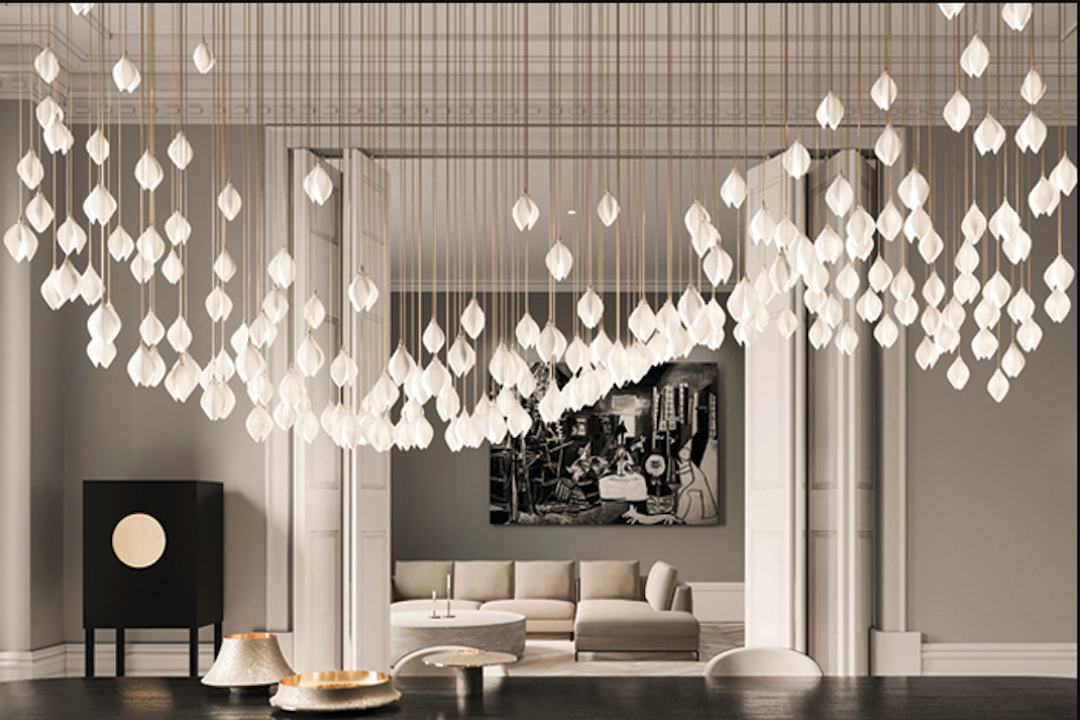
So, you’re wondering about modern home lighting and how designer fixtures can make your space stylish? The short answer is: they tie everything together. Think of designer lighting not just as a source of illumination, but as a crucial element that shapes the mood and aesthetic of a room. It’s about more than just seeing; it’s about experiencing your home in a new light, literally.
Beyond Mere Illumination: The Role of Designer Lighting
When we talk about “designer fixtures,” we’re not just referring to pricey items. We’re talking about pieces that have been thoughtfully conceived, where form and function dance together in perfect harmony. These aren’t just off-the-shelf solutions; they’re often crafted with attention to detail, using quality materials and innovative designs that elevate a space from ordinary to something truly special.
Understanding Modern Lighting Trends
Modern lighting Sataak isn’t about following every fleeting trend, but understanding the underlying philosophies that drive contemporary design. It often embraces minimalism, functionality, and integrating technology seamlessly. Forget those bulky, ornate chandeliers of yesteryear – modern fixtures are often sleek, sculptural, and designed to complement, not dominate, your decor.
The Rise of Integrated Lighting
One of the biggest shifts we’ve seen is towards integrated lighting. This isn’t just about a standalone lamp; it’s about lighting that’s built directly into architectural elements, furniture, or even artwork. Think LED strips subtly hidden along cove ceilings, under cabinet lighting that virtually disappears, or illuminated shelving that highlights your prized possessions. It blurs the lines between light source and design feature, creating a more seamless and sophisticated look.
Smart Lighting as a Core Component
Smart lighting isn’t a futuristic luxury anymore; it’s a practical and desirable feature in many modern homes. From adjusting brightness and color temperature with your voice to setting elaborate lighting scenes for different moods or activities, smart lighting offers unparalleled control and convenience. It’s about personalizing your environment in a way that traditional switches simply can’t achieve.
Choosing the Right Fixtures for Your Space
This is where the rubber meets the road. Picking the right fixture isn’t just about what looks good in a catalog; it’s about understanding your space, your needs, and your personal style.
Assessing Your Room’s Needs
Before you even start browsing, take a good look at your room. What’s its primary function? A kitchen needs bright, focused task lighting, while a living room benefits from layers of ambient, accent, and task lighting to create a versatile and inviting atmosphere. Consider the size of the room, ceiling height, and natural light sources. A large, open-plan space can handle a statement chandelier, while a smaller room might call for more recessed or wall-mounted options to maximize space.
Understanding Light Layers: A Practical Approach
The key to good lighting design is layering. Think of it like this:
- Ambient Lighting: This is your general illumination, the overall glow that fills the room. It could come from recessed lights, flush-mount fixtures, or even a large pendant.
- Task Lighting: This is focused light for specific activities, like reading, cooking, or working. Under-cabinet lights, desk lamps, and reading lamps fall into this category.
- Accent Lighting: This is about highlighting features within the room – artwork, architectural details, or a beautiful plant. Picture lights, track lighting, or uplights are common accent options.
A well-lit room uses a combination of these layers to create depth, interest, and functionality. Relying on just one type of light (like a single overhead fixture) often leaves a room feeling flat and uninviting.
Material Matters: Form and Function in Harmony
The materials a fixture is made from significantly impact its aesthetic and durability. Metals like brass, copper, and brushed nickel are popular for their modern appeal and longevity. Glass, acrylic, and even concrete are also being used in innovative ways. Consider how the material will complement your existing decor and whether it can withstand the wear and tear of daily life, especially in high-traffic areas or spaces prone to moisture like bathrooms.
Key Types of Designer Fixtures and Where They Shine
Let’s get into the specifics. There’s a whole universe of designer fixtures out there, each with its own niche.
Statement Chandeliers and Pendants: The Room’s Centerpiece
These are bold. They’re designed to be noticed. A striking chandelier in a dining room or a unique pendant over a kitchen island can totally define the space. Modern chandeliers aren’t necessarily crystal-laden monstrosities; they can be sculptural, geometric forms made from unexpected materials. Look for designs that complement the scale of your room and the height of your ceiling. Don’t be afraid to go a little oversized if the room can handle it – it can create a dramatically luxurious feel.
Wall Sconces: Adding Ambience and Art
Often overlooked, wall sconces are incredibly versatile. They can provide soft ambient light, highlight artwork, or even serve as subtle task lighting by a bedside. Modern sconces come in a myriad of designs, from sleek minimalist bars to sculptural pieces that double as wall art. They’re excellent for creating a sense of intimacy and warmth, especially in hallways, bedrooms, or dining areas. Think about the direction of the light – uplighting creates a sense of height, while downlighting can feel more grounded.
Floor and Table Lamps: Flexible Lighting Solutions
These are your workhorses. Floor lamps and table lamps offer incredible flexibility, allowing you to easily adjust your lighting scheme as needed. A tall arc floor lamp can provide overhead lighting without the need for ceiling installation, perfect for renters or those who like to rearrange frequently. Table lamps add a cozy glow and can serve as vital task lighting on desks or side tables. Look for designs that continue your overall aesthetic – a sculptural base, a unique shade, or an interesting material can turn a simple lamp into a design statement.
Recessed and Track Lighting: Understated Functionality
For a cleaner, more integrated look, recessed and track lighting are fantastic choices. Recessed lights (often called pot lights or can lights) are practically invisible, providing uniform ambient or accent lighting without cluttering the ceiling. Track lighting, while more visible, offers unparalleled flexibility; you can direct individual lights precisely where needed, making it ideal for highlighting architectural features or artwork, or adapting to changing room layouts. Modern track lighting has come a long way from the clunky systems of the past, now offering sleek, minimalist designs.
Integrating Technology for Enhanced Experience
As mentioned, technology plays a huge role in modern lighting. It’s not just about turning lights on and off anymore.
Smart Home Integration: Beyond the Switch
Connecting your lighting to your smart home system (like Alexa, Google Home, or Apple HomeKit) opens up a world of possibilities. Imagine saying “Good morning” and your bedroom lights slowly brightening to a warm, sun-like glow, while your kitchen lights come on at a cooler, brighter setting for breakfast prep. Or “Movie night” can dim the main lights, turn on accent lighting, and even adjust the TV. This level of automation isn’t just convenient; it can genuinely enhance your daily routines and mood.
Dimming and Color Temperature Control: Setting the Mood
These are perhaps two of the most impactful technological advancements in lighting. Dimmers aren’t new, but modern LED dimmers are much smoother and more efficient. The ability to adjust color temperature, however, is a game-changer. Warm light (around 2700K-3000K) is cozy and inviting, perfect for evenings. Cooler light (4000K-5000K) is energizing and ideal for task-oriented spaces like kitchens or home offices. Many smart bulbs now offer tunable white light or even full-color spectrum control, allowing you to perfectly match the light to your activity or desired ambiance.
Practical Considerations and Common Pitfalls
Even with the most beautiful fixtures, poor planning can lead to disappointment. A few things to keep in mind:
Scale and Proportion: Don’t Underestimate Their Importance
This is huge. A tiny pendant light in a vast living room will look lost, while an enormous chandelier in a small bedroom will feel overwhelming. Measure your space, consider ceiling height, and use online guides or even mock-ups (like balloons or cardboard cutouts) to visualize the size of a fixture before committing. Generally, the diameter of a chandelier or pendant should be about one-half to two-thirds the width of the table or area it illuminates.
Light Output (Lumens vs. Watts): What Actually Matters
Forget watts; they only tell you how much energy a bulb consumes. What you really care about is lumens, which measure the actual brightness of the light. A 60-watt incandescent bulb might produce around 800 lumens, while an LED bulb can produce the same lumens with only 9-10 watts. Pay attention to the lumen output when selecting bulbs to ensure you’re getting enough light for your needs.
Installation Challenges: DIY vs. Professional Help
Some fixtures are simple plug-and-play, but many designer pieces, especially hardwired ceiling or wall mounts, require electrical work. If you’re not comfortable with electrical wiring, it’s always best to call a qualified electrician. It’s safer, ensures proper functionality, and protects your investment. Rushing or cutting corners on installation can lead to frustration or even safety hazards.
Maintenance and Bulb Replacement: Long-Term Considerations
Think about how easy it will be to change a bulb or clean the fixture. Some elaborate designs might look stunning but prove to be a nightmare to maintain. With LEDs, bulb replacement is less frequent, but eventually, even integrated LED components may need professional servicing or full fixture replacement. Consider the long-term practicality of your chosen design.
Finding Your Style and Making It Yours
Ultimately, designer lighting for stylish spaces is about reflecting your style and enhancing your home.
Mixing and Matching Textures and Finishes
Don’t be afraid to mix metallics (e.g., brass and matte black) or combine different materials (e.g., wood and glass). A curated blend of textures and finishes can add depth and personality to your lighting scheme, preventing it from looking too uniform or sterile. The goal is cohesiveness, not sameness.
Where to Find Inspiration (Beyond the Big Box Stores)
While big box stores have their place, designer lighting often comes from specialty lighting showrooms, independent designers, or online retailers specializing in modern decor. Explore design magazines, Pinterest, Instagram, and design blogs for truly unique pieces and fresh ideas. Don’t limit yourself; there’s a world of creativity out there waiting to illuminate your home.
Investing in Quality: A Long-Term View
Designer fixtures, while often an investment, typically offer superior craftsmanship, durability, and timeless design. Rather than chasing every fleeting trend with cheap alternatives, consider investing in a few key pieces that you genuinely love and that are built to last. Quality lighting can truly transform a space, adding enduring value and aesthetic appeal to your home for years to come.