

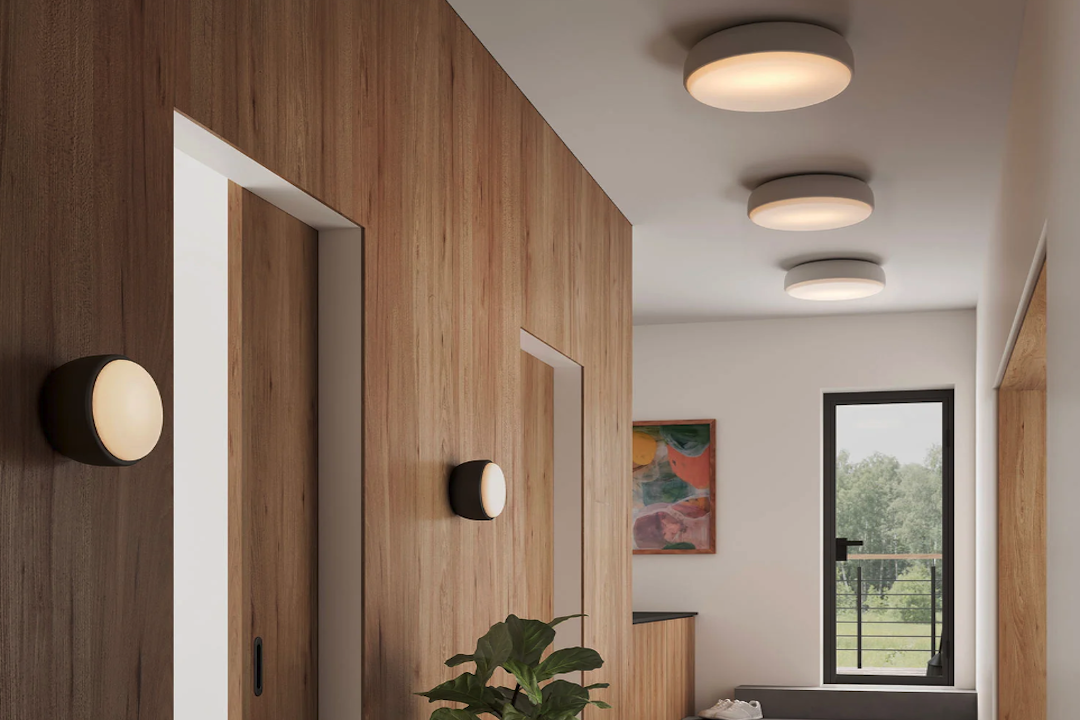
Wooden ceiling lights, particularly those drawing inspiration from Zen principles, can contribute to the ambiance of a lounge space. This article will explore the characteristics of these fixtures, their design elements, and the atmospheric impact they can have.
The use of wood in lighting fixtures has a long history, predating modern electrical illumination. The integration of wood with Zen philosophy is a more recent development, emerging from a confluence of architectural and design trends.
Early Applications of Wood in Lighting
Before electricity, light was provided by combustion. Wooden elements were often incorporated into candleholders, lanterns, and oil lamps Top5lamp, primarily for structural support and aesthetic appeal. These early applications demonstrated wood’s versatility and its natural warmth.
The Rise of Zen Aesthetics
Zen Buddhism, originating in China and later influencing Japan, emphasizes simplicity, mindfulness, and harmony with nature. These principles translated into various art forms, including architecture and interior design. Spaces influenced by Zen often feature natural materials, clean lines, and a focus on creating a tranquil environment.
Modern Interpretations
In contemporary interior design, Zen-inspired aesthetics have found renewed popularity. This has led to a re-examination of how traditional elements can be adapted to modern living. Wooden ceiling lights are one manifestation of this trend, bringing a sense of calm and natural beauty into residential and commercial spaces.
Design Principles of Zen-Inspired Wooden Ceiling Lights
The design of these lights is guided by principles that aim to evoke a sense of peace and balance. This often involves a restrained use of materials and a focus on form and function.
Material Selection and Craftsmanship
The choice of wood is crucial. Typically, lighter-colored woods like bamboo, ash, pine, or maple are favored for their natural tones and subtle grain. The craftsmanship aims for clean, precise joinery, avoiding ornate carvings or excessive ornamentation. The focus is on the inherent beauty of the wood itself.
Wood Types and Their Characteristics
- Bamboo: Known for its rapid growth and strength, bamboo offers a light, airy aesthetic and a distinctive segmented pattern.
- Ash: A pale, strong hardwood that takes finishes well, ash can provide a smooth, consistent surface.
- Pine: A more readily available softwood, pine offers a warm, natural look with visible grain patterns. Its softness requires careful consideration for durability in some applications.
- Maple: A dense, pale hardwood with a fine grain, maple offers a premium feel and a smooth, often unblemished surface.
Emphasis on Natural Finishes
Many Zen-inspired wooden lights utilize natural finishes or light stains to preserve the wood’s inherent color and texture. Avoidance of dark, heavy varnishes is common, as these can detract from the intended light and airy feel. The goal is to let the wood breathe and complement the light it diffuses.
Form and Silhouette
The shapes of these lights tend to be simple and geometric, or organic and flowing, echoing natural forms. Think of clean rectangular or cylindrical shapes, or designs that mimic the curve of a branch or the silhouette of a leaf. The overall form is intended to blend harmoniously with the ceiling, rather than dominate the space.
Geometric Simplicity
- Rectangular and Square Forms: These can embody order and stability, offering a structured presence that complements minimalist interiors.
- Cylindrical and Spherical Shapes: These evoke a sense of unity and completeness, providing a softer, more rounded visual element.
Organic and Biomorphic Designs
- Branch-like Structures: Some designs mimic the natural growth patterns of trees, creating a sense of organic flow and connection to the outdoors.
- Leaf or Petal Motifs: Subtle incorporation of these natural shapes can add a touch of delicate beauty without overwhelming the minimalist aesthetic.
Light Diffusion and Quality
The way light is emitted is integral to the Zen aesthetic. The aim is usually to create a soft, diffused glow rather than harsh, direct illumination. This can be achieved through the materials used, the structure of the fixture, and the placement of the light source.
Diffusers and Materials
- Woven Wood or Bamboo: These intricate patterns create dappled light effects, casting shadows that are considered part of the ambiance.
- Translucent Wood Veneers: Thinly sliced wood can allow light to pass through, providing a gentle, luminous quality.
- Frosted or Opal Glass Elements: Often used in conjunction with wood, these materials help to soften and distribute light evenly, preventing glare.
Luminosity and Color Temperature
The choice of bulb and its color temperature play a significant role. Warm white (around 2700K to 3000K) is typically preferred for creating a cozy, inviting atmosphere, mirroring the soft glow of candlelight. This color temperature is less likely to induce a feeling of alertness, contributing to a relaxed lounge environment.
Ambiance Creation in Lounge Spaces
The primary function of these lights extends beyond mere illumination; they are designed to cultivate a specific mood within a lounge. This mood is characterized by tranquility, warmth, and a sense of grounding.
The Role of Soft Lighting
Soft, diffused lighting is a cornerstone of creating a relaxing ambiance. Harsh, direct lighting can feel clinical and jarring, while a gentle, encompassing glow mimics natural twilight or the comforting flicker of a fireplace. This type of lighting encourages users to unwind and de-stress.
Mitigating Glare and Harsh Shadows
Zen-inspired wooden ceiling lights are engineered to avoid direct light sources hitting the eyes. The careful layering of materials and the thoughtful design of the fixture itself act as a buffer, transforming potentially harsh light into a soft, ambient wash. This reduction in visual stimulation is key to fostering relaxation.
Creating Warmth and Intimacy
The natural color and texture of wood inherently contribute to a sense of warmth. When combined with soft, warm-toned illumination, these fixtures can make a lounge feel more inviting and intimate. This is particularly effective in spaces designed for conversation and quiet reflection.
Harmony with Natural Elements
Lounge spaces that incorporate other natural elements, such as plants, stone, or natural textiles, can be further enhanced by the presence of Zen-inspired wooden ceiling lights. The wood in the lighting acts as a unifying element, reinforcing the connection to nature throughout the design.
Complementary Materials
- Plants and Greenery: The natural tones of the wood harmonize with the vibrant greens of plants, creating a biophilic design that connects occupants to the natural world.
- Stone and Terracotta: The earthiness of stone and terracotta is complemented by the warmth of wood, bringing an organic, grounded feel to the space.
- Natural Textiles: Linen, cotton, and wool fabrics with earthy color palettes further enhance the natural, calming aesthetic.
The Feeling of an “Indoor Garden”
When paired with other natural elements, these lights can contribute to the feeling of being in a serene, enclosed natural space, akin to a calm garden or a secluded forest clearing. The light itself can feel like dappled sunlight filtering through leaves.
Enhancing Mindfulness and Tranquility
The underlying principles of Zen influence the perception of the space. The absence of visual clutter and the presence of natural materials and soft light can subtly encourage a more mindful state. This contributes to the lounge feeling like a sanctuary for the mind.
A Pause from External Stimuli
In a world often characterized by constant digital bombardment and sensory overload, spaces illuminated by Zen-inspired lights offer a deliberate contrast. They provide a visual and psychological respite, allowing individuals to detach from external demands and focus inward.
Fostering a Sense of Presence
The calming nature of the light and the materials can encourage individuals to be more present in the moment. This is facilitated by an environment that does not demand active engagement and instead invites quiet observation and relaxation.
Practical Considerations for Lounge Integration
Beyond aesthetics, practical aspects are important when selecting and installing these lights. Their performance, maintenance, and compatibility with existing lounge designs need to be assessed.
Placement and Scale
The correct placement and scale of the lighting fixture are crucial for its effectiveness. A light that is too large can overwhelm a small lounge, while one that is too small might not provide adequate illumination or visual impact.
Ceiling Height and Room Size
For rooms with lower ceilings, flush-mount or semi-flush mount fixtures are generally more suitable. Taller ceilings can accommodate pendant lights or larger, more elaborate designs. The overall size of the room will dictate the appropriate scale to maintain balance.
Zoning and Layering Light
In larger lounge areas, multiple Zen-inspired wooden ceiling lights can be used to define different zones. This layering of light, combining ambient, task, and accent lighting, creates a more dynamic and functional space.
Installation and Electrical Requirements
Professional installation is recommended to ensure safety and proper functioning. Understanding the electrical needs of the fixture, including voltage and wattage, is essential for compatibility with the existing electrical system.
Professional Installation
Electricians are trained to handle wiring and mounting safely and efficiently. This is particularly important for ceiling fixtures, which require secure attachment to prevent accidents.
Bulb Compatibility and Energy Efficiency
Choosing energy-efficient LED bulbs is often a practical and environmentally conscious decision. Many LED bulbs are available in a wide range of color temperatures, allowing for precise control over the ambient light.
Maintenance and Durability
Wood, while beautiful, requires some consideration for maintenance. Understanding how to clean and care for the fixture will ensure its longevity and continued aesthetic appeal.
Cleaning and Care for Wooden Elements
Dusting regularly with a soft, dry cloth is typically sufficient. For more stubborn marks, a slightly damp cloth can be used, followed by immediate drying. Avoid harsh chemical cleaners, which can damage the wood finish.
Durability and Wood Treatments
The durability of the wood depends on the type of wood used and any finishes applied. Some wood treatments can enhance durability and resistance to moisture, though these should be chosen carefully to maintain the natural aesthetic.
Types of Zen-Inspired Wooden Ceiling Lights
Several distinct styles of wooden ceiling lights embody Zen principles, each offering a unique contribution to a lounge’s atmosphere.
Pendant Lights with Wooden Accents
These fixtures hang from the ceiling and often feature a wooden shade or decorative wooden elements. They are versatile and can be used individually or in multiples.
Simple Cylindrical Pendants
Characterized by clean lines and a smooth wooden cylinder, these offer understated elegance. They provide a focused downlight or a diffused glow, depending on the specific design.
Lantern-Style Pendants
Inspired by traditional Asian lanterns, these often incorporate latticework or panels of wood and translucent material. They emit a soft, multi-directional light, creating an inviting ambiance.
Flush-Mount and Semi-Flush Mount Fixtures
Designed to sit closer to the ceiling, these are suitable for rooms with lower head clearance. They often feature a wooden frame or canopy.
Wooden Box Fixtures
These geometric fixtures, often square or rectangular, provide a clean, modern look. The wood can be the primary material of the housing, or it can serve as a decorative frame for a diffuser.
Woven Wood Canopies
Fixtures with a woven wooden canopy can create intricate shadow patterns on the ceiling when illuminated, adding a subtle artistic element.
Recessed Lighting with Wooden Trims
While the main light source is recessed into the ceiling, decorative wooden trims can add a touch of natural warmth and a Zen aesthetic to the opening.
Wood-Accented Recessed Cans
These are standard recessed fixtures enhanced by a discreet wooden bezel or ring around the opening. This approach integrates natural material without being overtly stylistic.
Hidden Light Sources with Wood Elements
In some designs, the wood acts as a baffle or diffuser, strategically hiding the direct light source and softening its emission.
The Psychological and Sensory Impact
The selection of lighting in a lounge space has a profound effect on occupant psychology and sensory experience. Zen-inspired wooden ceiling lights are designed to leverage this influence to create a particular kind of atmosphere.
Enhancing Relaxation and Reducing Stress
The combination of soft light and natural materials has a documented calming effect. The visual simplicity and the gentle illumination can help to quiet the mind and reduce cognitive load, making the lounge a place of respite.
The “Biophilia” Effect
Biophilic design, which seeks to connect building occupants more closely to nature, is thought to have positive psychological benefits. Wooden ceiling lights, by bringing natural materials and light qualities indoors, contribute to this effect.
Auditory Complementarity
While not directly related to the light fixture itself, the ambiance created by Zen-inspired lighting often pairs well with calming auditory experiences. Low-volume ambient music or the natural sounds of the environment can further enhance the sense of tranquility.
Promoting Focus and Contemplation
While primarily geared towards relaxation, the gentle and unobtrusive nature of this lighting can also foster an environment conducive to focused thought or quiet contemplation. Without distracting glare or overly stimulating brightness, it allows for a more internal experience.
A “Soft Focus” Environment
The diffused light creates a soft focus, reducing the harshness of visual details and encouraging a less analytical, more holistic perception of the surroundings. This can be beneficial for creative thinking or introspection.
Minimizing Visual Fatigue
Long periods spent in an environment with harsh lighting can lead to eye strain and fatigue. The gentle, diffused light from wooden ceiling fixtures minimizes this, allowing individuals to comfortably occupy the space for extended durations.
Cultivating a Sense of Presence and Well-being
By creating an environment that feels grounded, calm, and connected to natural principles, these lights contribute to an overall sense of well-being. The lounge becomes more than just a room; it becomes an experience.
The “Sanctuary” Effect
A well-lit lounge with a calming ambiance can function as a personal sanctuary within a larger dwelling or establishment. It’s a space where one can retreat from the demands of the outside world and reconnect with themselves.
The Gentle Flow of Time
The soft, consistent illumination can contribute to a perception of time slowing down, encouraging a more relaxed pace and allowing individuals to be more fully present in their surroundings. This gentle rhythm can be a welcome counterpoint to the rapid pace of modern life.
In conclusion, Zen-inspired wooden ceiling lights offer a sophisticated approach to lounge ambiance. Their design principles, rooted in simplicity and natural harmony, translate into a lighting experience that promotes relaxation, mindfulness, and a deep sense of well-being. By carefully considering material choice, form, and light diffusion, these fixtures become more than just sources of illumination; they transform spaces into tranquil retreats.