

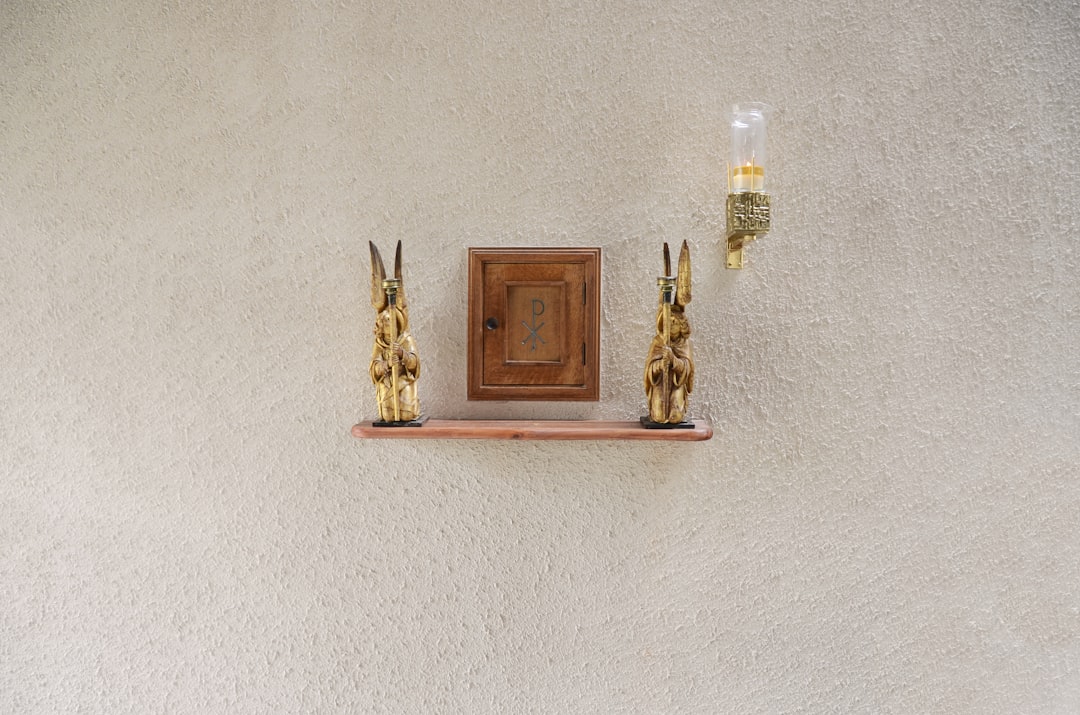
You’re looking to give your hallway a bit of vintage flair, and brass wall sconces are definitely a smart move for that. They instantly add a touch of classic elegance and warm, inviting light, which is exactly what a hallway needs. It’s not just about picking a nice sconce, though; it’s about how it fits into the whole picture. We’re talking more than just a light source here; we’re talking about setting a mood and making a statement, subtly, as you or your guests move through the space.
When diving into brass wall sconces, remember that “brass” isn’t a single, monolithic entity. It’s a material with many personalities, each contributing a different nuance to your vintage-inspired hallway. Think of it less as a single choice and more as a spectrum of possibilities.
The Patina Puzzle: New vs. Aged Brass
This is perhaps the most critical decision when it comes to brass. New, polished brass offers a bright, almost reflective gleam. It speaks to a more refined, perhaps even Art Deco or Hollywood Regency vintage aesthetic. It’s pristine, a little luxurious, and catches the eye with its fresh sparkle.
On the other hand, aged or antique brass presents a completely different narrative. It boasts a rich, darkened, and sometimes even mottled surface, developed through natural oxidation or accelerated through specific finishing processes. This patina tells a story of time and history, instantly evoking a sense of heritage and established elegance. It’s less about flash and more about depth, perfect for a farmhouse, industrial-vintage, or even a more rustic interpretation of classic design.
Consider the other metallics in your home. If you have chrome fixtures elsewhere, a highly polished brass might clash. If you have bronze or oil-rubbed finishes, an aged brass will feel much more cohesive. The goal is harmony, not competition.
Form and Function: Sconce Styles for Period Accents
The silhouette of your brass sconce is just as important as its finish. Different styles inherently lean towards specific vintage eras.
- Gooseneck Sconces: These, with their distinctive curved arm, are often associated with classic industrial or farmhouse aesthetics. They offer a direct, utilitarian light, often with exposed bulbs or simple dome shades. They’re practical and unassuming, perfect for a hallway that values sturdy functionality with a touch of nostalgia.
- Art Deco Sconces: Think geometric lines, stepped designs, and often frosted or etched glass shades. These sconces scream 1920s and 30s glamour. They’re ideal if you want a more stylized, sophisticated vintage look, hinting at a golden age of design.
- Victorian or Edwardian Sconces: These often feature more ornate details, perhaps a bit of scrollwork, and typically have bell-shaped or tulip-shaped glass shades, sometimes etched or frosted. They bring a formal, traditional elegance, working well in homes with period architectural details.
- Mid-Century Modern Brass Sconces: While often associated with the 50s and 60s, a simpler, more streamlined brass sconce with clean lines and perhaps an exposed globe bulb can evoke a mid-century modern sensibility. This style is about understated cool and functionality, less about overt ornamentation.
- Swing Arm Sconces: While often seen in reading nooks, a slim swing-arm sconce in a hallway can add a touch of flexible functionality and a subtle vintage workshop vibe, especially if paired with an aged finish.
Consider the scale of your hallway. A grand, tall hallway might accommodate more elaborate, larger sconces, while a narrow, more intimate hallway will benefit from slimmer, less obtrusive designs.
Bulb Choices: The Unsung Hero of Ambiance
Don’t underestimate the power of the bulb. A beautiful brass sconce with the wrong bulb can instantly kill the vintage vibe.
- Edison Bulbs: These are the quintessential choice for vintage lighting. Their visible filaments, often in unique patterns, cast a warm, inviting glow. They’re not just light sources; they’re part of the aesthetic. Just be mindful of their brightness; they’re often low lumen, so you might need more of them or use them purely for ambiance.
- Frosted or Opaline Bulbs: If you prefer a softer, diffused light without the starkness of a clear bulb, frosted or opaline bulbs are excellent. They obscure the filament while still offering a pleasant glow and can mimic the look of older incandescent bulbs.
- Smart Bulbs: For modern convenience, smart bulbs that can adjust color temperature (from warm white to cooler tones) and brightness are a great option. You can set them to mimic the warm glow of an incandescent bulb for your vintage look, but dim them later for a subtler ambiance.
Finally, think about the light temperature. For a true vintage feel, aim for warmer light—around 2200K to 2700K. This casts a cozy, inviting glow that complements brass beautifully, creating an atmosphere that feels both historic and welcoming. Cooler temperatures (3000K and above) tend to feel more modern and can detract from the vintage aesthetic.
Placement Prowess: Where Your Sconces Shine
Getting the placement right for your brass wall sconces is just as critical as choosing them. It’s not just about throwing light into a space; it’s about guiding the eye, creating rhythm, and enhancing the overall feel of the hallway. Think of your sconces as punctuation marks along a sentence.
The Rule of Thirds (and Beyond): Height Considerations
A common design guideline, the rule of thirds, can be quite helpful here. Imagine your wall divided into three equal horizontal sections. Generally, sconces look best when placed in the middle third.
- Eye Level (More or Less): A good starting point for the center of the sconce is often around 60-66 inches (152-168 cm) from the floor. This puts the light source roughly at eye level for an average adult. This height helps to diffuse the light evenly, preventing it from feeling too high or too low, and ensures the light is effective for illuminating art or architectural features below.
- Ceiling Height Impact: If you have exceptionally high ceilings, you might consider going slightly higher to maintain proportion, perhaps up to 70-72 inches (178-183 cm). Conversely, in hallways with lower ceilings, staying closer to the 60-inch (152 cm) mark is usually better to avoid making the ceiling feel even lower.
- Avoiding Glare: The main goal is to avoid direct glare into people’s eyes as they walk by. The shade or design of your sconce plays a role here. If you have an upward-facing or diffused light, you have a bit more flexibility. If it’s a downward-facing or exposed bulb, be extra mindful of the height to keep the light source above the direct line of sight.
Spacing Symphony: How Many and How Far Apart?
This depends entirely on the length of your hallway and the desired effect.
- Short Hallways (Under 10 feet/3 meters): In a shorter hallway, a single sconce in the middle can sometimes suffice, especially if it’s more decorative. Alternatively, two sconces, one on each side, can create a sense of balance. If you’re going for pairs, place them to frame a mirror, artwork, or a console table.
- Medium Hallways (10-20 feet/3-6 meters): This is where most people will likely use two or three sconces. If using two, aim for them to be roughly centered within the hallway, creating two distinct lighting zones. If using three, a balanced approach is to divide the hallway into four roughly equal segments and place the sconces at the 1/4, 2/4 (center), and 3/4 marks. This ensures even illumination and a rhythmic flow.
- Long Hallways (Over 20 feet/6 meters): For longer hallways, multiple sconces are essential to avoid dark spots. The “rule” here is to consider spacing them roughly 8-10 feet (2.4-3 meters) apart. This creates a consistent path of light. You want a steady rhythm, guiding the eye down the length of the hall without feeling overcrowded or too sparse.
Architectural Harmony: Flanking Features
Sconces are fantastic for highlighting specific elements in your hallway.
- Flanking Artwork or Mirrors: This is a classic move. Placing a sconce on either side of a large piece of art or a mirror instantly elevates it, turning it into a focal point. Ensure the sconce’s scale is appropriate for the artwork/mirror – not too small that it gets lost, not too large that it overwhelms.
- Adjacent to Doors or Archways: A sconce placed near a doorway or archway can highlight the architectural detail and provide additional illumination as you transition from one space to another. It adds a welcoming beacon.
- Over Console Tables: If you have a console table, placing a sconce just above it (ensuring it’s centered and at an appropriate height) can create a lovely vignette and provide task lighting if you use the table for keys or mail.
Always do a dry run if possible. Use painter’s tape or cut-outs of your sconces to visualize the placement on the wall before committing to drilling. This can save you a lot of headaches later.
Pairing with Period Furniture & Decor: The Ensemble Effect
A brass sconce, no matter how lovely, doesn’t exist in a vacuum. Its true power to evoke a vintage feel comes from its interaction with the other elements in your hallway. Think of it as putting together an outfit – every piece needs to complement the others to create a cohesive look.
Console Tables: Foundation of Style
The console table in your hallway often acts as a visual anchor. Its style should align with the vintage era you’re aiming for.
- Dark Wood & Carvings: For a Victorian or Edwardian look, a heavy, dark wood console table with intricate carvings or turned legs would be ideal. Think mahogany or walnut. The brass sconces would then be a gilded, more ornate style to match.
- Clean Lines & Tapered Legs: Mid-century modern calls for simpler, lighter wood tones like teak or even painted finishes, with clean lines and tapered legs. Here, a simpler, perhaps more geometric brass sconce with a clean silhouette would feel right.
- Rustic & Industrial: For a farmhouse or industrial-vintage vibe, a console made from reclaimed wood or with iron elements would be perfect. Aged brass sconces with visible rivets or simple shades would be excellent partners.
- Art Deco Glam: Glass or mirrored console tables with touches of chrome or even polished brass accents would beautifully complement geometric Art Deco sconces.
Ensure the scale of your console table works with the size of your hallway. A grand, expansive console in a narrow hallway will feel cramped.
Mirrors: Reflecting Light and History
Mirrors are your best friend in a hallway, especially a narrow one, as they reflect light and make the space feel larger. The frame of your mirror is key to its vintage appeal.
- Ornate Gold or Gilt: For a grand, traditional, or even French-inspired vintage look, an ornate gold or gilt mirror instantly adds a sense of luxury and history, pairing beautifully with polished brass sconces.
- Distressed Wood: A distressed or carved wood frame would lend itself well to a rustic, farmhouse, or even shabby chic vintage aesthetic. Aged brass sconces would be the natural complement here.
- Metal Framed (Black or Brass): For an industrial edge or a cleaner, more mid-century feel, a simple black metal or even a slim brass-framed mirror would work well.
Positioning is key. A mirror flanked by two brass sconces creates a stunning focal point and amplifies the light.
Seating: Practicality with Panache
Even a small hallway can often accommodate a piece of seating – a bench, a small armchair, or a stool.
- Upholstered Bench: A velvet or tufted upholstered bench would add a touch of antique glamour, complementing more refined brass sconces.
- Wooden Bench with Storage: For a functional yet rustic look, a simple wooden bench, perhaps with cubbies for shoes underneath, would fit a farmhouse or practical vintage aesthetic.
- Mid-Century Stool: A small, upholstered stool or a splayed-leg wooden stool could provide a quick spot to sit while putting on shoes and align with mid-century modern sconces.
The material and upholstery choice on your seating further defines the vintage era you’re aiming for.
Artwork: Storytellers on the Wall
The art you choose profoundly influences the feel of your hallway.
- Botanical Prints or Landscapes: For a classic, traditional vintage feel, framed botanical prints, antique maps, or landscape paintings would be excellent.
- Abstract Geometrics: For a mid-century modern hallway, consider framed abstract prints with geometric shapes or bold colors.
- Vintage Advertisements or Photography: Black and white vintage photographs or framed old advertisements can instantly teleport your hallway to a specific era, particularly if paired with industrial or farmhouse-style brass sconces.
The frame of your artwork is just as important as the piece itself. Mismatched frames created a curated, eclectic vintage look, while consistent frames provide a more formal, gallery-like feel.
Flooring & Rugs: The Grounding Elements
Don’t forget what’s underfoot.
- Hardwood Floors: Original hardwood floors are the ultimate vintage canvas. If you don’t have them, consider wood-look tile or laminate. The warmth of wood complements brass beautifully.
- Patterned Tiles: For a Victorian or Art Deco influence, black-and-white checkerboard tiles or more intricate patterned floor tiles would be stunning.
- Runner Rugs: A vintage-inspired runner rug can add color, texture, and pattern, softening footsteps and further defining your style. Persian, Turkish, or even geometric mid-century patterns can work, depending on your chosen era. Ensure the rug doesn’t overpower your sconces or make the hallway feel even narrower.
By consciously curating these elements, you’re not just decorating; you’re designing a harmonious vintage experience in your hallway, with your brass sconces as elegant focal points.
Smart Lighting & Control: Modern Twist on Vintage
You’re aiming for a vintage look, but that doesn’t mean you have to deal with inconvenient, old-fashioned functionality. Integrating smart lighting and controls with your brass wall sconces is a practical way to enjoy the best of both worlds. It updates the experience without detracting from the aesthetic.
Dimmers: The Essential Ambiance Setter
If there’s one modern amenity you absolutely need for vintage-inspired lighting, it’s a dimmer switch.
- Mood Control: Hallways aren’t always about bright, functional light. Sometimes you want a soft, welcoming glow for evening arrivals, or just enough light to navigate without disturbing the rest of the house. A dimmer allows you to fine-tune the intensity, creating different moods throughout the day and evening.
- Energy Efficiency: Dimming your lights also saves energy and extends the life of your bulbs, which is a practical bonus.
- Highlighting Features: You can dim the overall light to make certain architectural details or artwork subtly stand out, adding depth to your vintage aesthetic.
Ensure your chosen LED bulbs are “dimmable.” Not all are, and using a non-dimmable bulb with a dimmer switch can lead to flickering or a shortened lifespan.
Smart Switches & Bulbs: Beyond the Basic On/Off
Taking it a step further, smart lighting offers convenience and flexibility that traditional switches simply can’t.
- Voice Control: Imagine walking in with groceries or kids and simply saying, “Alexa, turn on the hallway lights.” This hands-free convenience maintains your vintage visual but brings the functionality firmly into the 21st century.
- Schedules & Routines: Program your hallway lights to come on automatically at dusk, or to dim to a soft glow late in the evening. You can even set them to turn off when you leave for work or when everyone is usually asleep. This is great for security as well, giving the impression someone is home.
- Away Mode: Many smart lighting systems have an “away mode” that randomly turns lights on and off when you’re out of town, making your home appear occupied.
- Color Temperature Adjustment (with compatible bulbs): Some smart bulbs allow you to adjust the color temperature. While you’ll mostly want a warm, vintage glow (around 2200K-2700K), having the option to subtly shift it if needed can be useful, or to experiment with slightly different warm tones to see what suits your brass sconces and decor best.
- Integration with Other Smart Home Devices: If you have other smart home elements, your hallway lights can be part of broader “scenes.” For example, an “Evening Arrival” scene could turn on your hallway lights, living room lights, and kick on some background music.
When considering smart options, you have two main routes:
- Smart Bulbs: These screw directly into your existing fixtures. They communicate wirelessly (Wi-Fi or Bluetooth) with your phone or hub. The downside is that the wall switch usually needs to remain “on” for the smart functionality to work, and if someone flips the physical switch off, the smart features temporarily cease.
- Smart Switches (or Dimmers): These replace your traditional wall switch. They control the power to any light fixture connected to them, allowing you to use regular, non-smart bulbs. This often feels more intuitive for guests and maintains traditional switch operation if the smart hub goes down.
For a vintage-inspired hallway where you don’t want to mess with the aesthetic of the sconce itself, smart switches are often the more seamless option, as you can use your preferred vintage-style bulbs (like Edison bulbs) and still get smart control.
The key is to select smart technologies that are reliable and easy to use. You want the convenience without the headache of constant configuration. Your vintage hallway should feel sophisticated, not complicated.
Maintaining the Glow: Brass Care Tips
Brass is beautiful, but like any material, it benefits from a little care to keep it looking its best. The approach you take depends on the finish of your brass – polished or aged – and how you want it to evolve over time.
Polished Brass: Keeping it Shiny
If you’ve opted for polished brass sconces, you likely want them to retain that bright, reflective luster. This often means they have a protective lacquer coating from the manufacturer.
- Gentle Cleaning: For regular dusting, simply use a soft, dry microfiber cloth. This prevents dust accumulation from dulling the shine.
- Fingerprint Patrol: Polished brass is a magnet for fingerprints. If you notice any, use a slightly damp cloth with a tiny drop of mild dish soap, then immediately buff dry with a clean, soft cloth. Avoid abrasive cleaners or sponges, as they can scratch the lacquer.
- Lacquer Preservation: The lacquer is your brass’s best defense against tarnishing. Avoid anything that will strip it off, like harsh chemical cleaners or brass polishes designed for unlacquered brass. If the lacquer does get scratched or worn down over time (which can happen, especially in high-traffic areas), that spot will begin to tarnish. At that point, you might consider having the piece re-lacquered professionally or embracing the natural patina that develops.
Aged or Unlacquered Brass: Embracing the Patina
For aged brass, or unlacquered brass that you want to naturally age, your approach is different. The beauty here is in the darkening, the unique character that develops with time.
- Dust Regularly: A simple dry microfiber cloth is all you need for routine dusting. This prevents airborne grime from adhering to the surface.
- Avoid Harsh Cleaners: You generally don’t want to “clean” aged brass in the traditional sense, as you’ll remove the very patina you’ve cultivated or allowed to form. If you have a stubborn spot of grime that isn’t just dust, try a barely damp cloth with plain water, then dry immediately. Do not use brass polish unless you deliberately want to remove the patina and revert to a shinier finish (and then re-age it).
- Natural Oxidation: Part of the charm of unlacquered brass is that its appearance will subtly change over time, darkening and deepening in color. This is a natural process and should be viewed as enhancing its vintage character. Some people even like to speed up this process with natural methods like vinegar or ammonia fumes (caution advised, always do research and test in an inconspicuous spot).
General Bulb Maintenance
While we’re talking maintenance, don’t forget the bulbs themselves.
- Turn Off Before Changing: Always (always!) turn off the power to the sconce at the switch – or even at the breaker, if you’re extra cautious – before changing a bulb.
- Handle with Care: Especially with vintage-style bulbs like Edison bulbs, handle them gently. The filaments can be delicate.
- Clean Shades: If your sconces have glass shades, clean them periodically. Dust and grime can build up, reducing light output. Use a soft cloth and a gentle glass cleaner (if non-lacquered brass, be careful not to spray directly onto the brass finish)
- Consistency: When replacing bulbs, try to use the same type and brand to maintain a consistent color temperature and brightness throughout your hallway.
A little bit of thoughtful maintenance will ensure your vintage-inspired brass wall sconces continue to provide warm, inviting light and timeless style to your hallway for years to come. They’re an investment in atmosphere, and a small amount of care pays dividends in lasting beauty.