

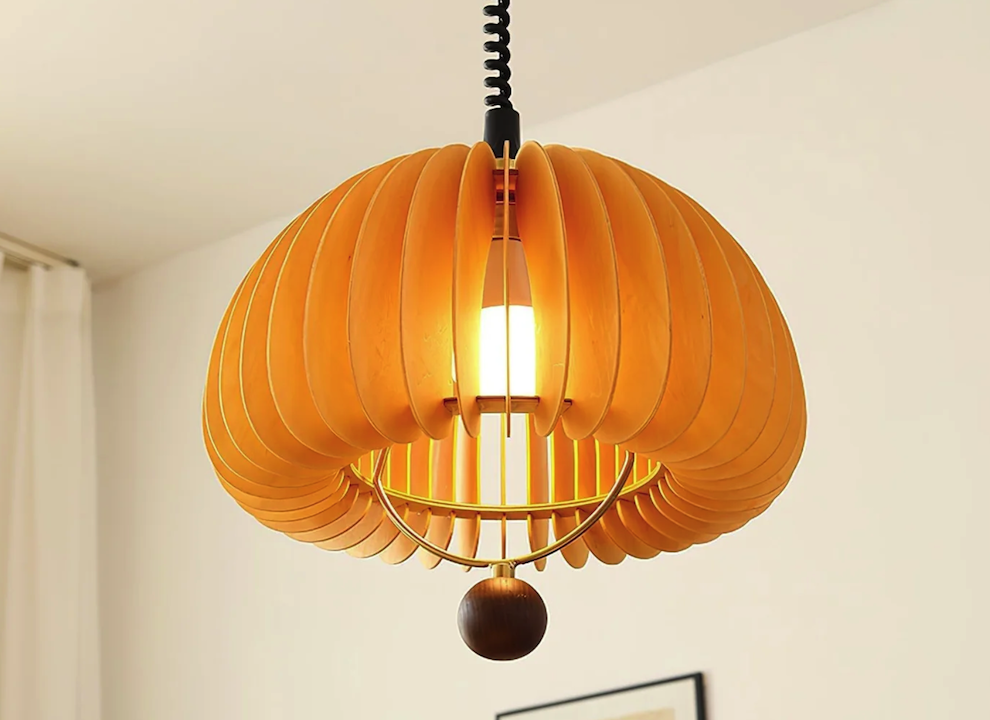
This article examines the “Unique Pumpkin Shaped Hanging Lamp Adds a Transparent Touch,” a contemporary lighting fixture that has gained traction in interior design circles. We will explore its design principles, material science, functional applications, market positioning, and environmental considerations. This analysis aims to provide a comprehensive understanding of the product, fostering informed decisions for prospective buyers and shedding light on its place within the broader lighting industry.
The “Unique Pumpkin Shaped Hanging Lamp Jievik Adds a Transparent Touch” (hereinafter referred to as “the lamp”) embodies a blend of organic form and modern transparency. Its design diverges from traditional opaque lampshades, presenting a light source not as a concealed element but as an integral, visible component of the aesthetic. This approach aligns with contemporary design trends that favor minimalism, light diffusion, and a connection to natural forms.
Organic Form Inspiration
The pumpkin shape, a recurring motif in various cultures representing harvest, abundance, and the natural cycle, serves as the primary inspiration for the lamp’s silhouette. This choice is deliberate, aiming to evoke a sense of warmth and familiarity within a modern context. Unlike abstract geometric forms, the organic curvature of the pumpkin provides a softer, more inviting visual presence. The subtle undulations and rounded contours contribute to a perception of fluidity and natural growth, a departure from the rigid lines often found in industrial design.
Transparency as a Core Element
The defining characteristic of this lamp is its transparency. This is not merely a material property but a foundational design principle. By allowing light to pass through unimpeded, the lamp transforms from a mere diffuser into a beacon that reveals its internal composition. This transparency extends the visual footprint of the light source, allowing it to interact more dynamically with its surroundings. It eliminates the visual barrier between the light-emitting element and the observer, creating a more intimate and direct relationship with the illumination.
Integration of Form and Function
The lamp’s design demonstrates a considered integration of its aesthetic and practical roles. The transparency, while visually appealing, also serves a functional purpose by maximizing light output and minimizing visual obstruction. The pumpkin form, beyond its symbolic resonance, provides structural integrity for the delicate transparent material. This duality of form and function positions the lamp as more than just a decorative object; it is a meticulously engineered lighting solution.
Materials and Manufacturing Processes
The construction of the “Unique Pumpkin Shaped Hanging Lamp Adds a Transparent Touch” relies on specific material selections and manufacturing techniques to achieve its distinctive aesthetic and functional properties. Understanding these aspects is crucial for appreciating the lamp’s durability, light quality, and overall production methodology.
Choice of Transparent Materials
The “transparent touch” is primarily achieved through the use of high-quality, light-transmitting materials. Common choices include:
- Borosilicate Glass: Known for its exceptional thermal shock resistance, optical clarity, and low coefficient of thermal expansion. This makes it suitable for applications where temperature fluctuations might occur, such as around light bulbs. Borosilicate glass maintains its clarity over time and is less prone to scratching than some plastic alternatives.
- Acrylic (PMMA): A lightweight and shatter-resistant thermoplastic known for its excellent optical clarity, often rivaling glass. Acrylic is easier to mold into complex shapes than glass and offers good UV resistance, preventing yellowing over time. Its lighter weight contributes to easier installation and reduces stress on hanging mechanisms.
- Polycarbonate: Another robust transparent thermoplastic, polycarbonate offers superior impact resistance compared to acrylic and glass. While slightly less optically pure than borosilicate glass or high-grade acrylic, its durability makes it suitable for environments where accidental impact is a concern.
The specific material chosen will influence the lamp’s refractive properties, weight, cost, and overall robustness. Manufacturers typically select based on a balance of these factors and the intended market segment.
Fabrication Techniques
The creation of the pumpkin shape and its transparent finish involves specialized manufacturing processes:
- Glass Blowing (for Borosilicate Glass): This artisan technique involves inflating molten glass with a blowpipe to form the desired shape. Skilled glassblowers manipulate the glass as it cools, ensuring uniform wall thickness and the characteristic organic curves. This method often results in unique variations between individual units, adding to the artisanal appeal.
- Injection Molding (for Acrylic and Polycarbonate): For plastic versions, granules of the polymer are melted and injected under high pressure into a mold cavity. This process allows for high volume production with consistent dimensions and finishes. The intricate details of the pumpkin shape can be accurately replicated using precisely machined molds.
- Thermoforming (for Acrylic and Polycarbonate): In this process, a sheet of plastic is heated until pliable and then stretched over a mold using vacuum or pressure. This technique is suitable for creating more complex, hollow forms and can be cost-effective for medium-volume production.
- Surface Finishing: Regardless of the primary material, the transparent surfaces often undergo additional finishing processes to enhance clarity and reduce imperfections. This can include polishing, coating with anti-scratch layers, or applying anti-static treatments to minimize dust accumulation.
Electrical Components and Hardware
Beyond the transparent body, the lamp incorporates standard electrical components:
- Lamp Holder (Socket): Typically an E26/E27 or G9 socket, depending on the bulb type and regional standards. These are usually constructed from ceramic or heat-resistant plastic.
- Wiring: Insulated electrical wire, compliant with safety standards (e.g., UL, CE), connects the lamp holder to the power source.
- Canopy and Suspension System: A ceiling canopy, often made of metal (steel, aluminum), conceals electrical connections. The suspension system, which can be a metal rod, chain, or textile cable, supports the lamp’s weight and provides adjustability for hanging height. The design of the suspension system often complements the minimalist aesthetic of the transparent body, aiming for unobtrusiveness.
Functional Applications and Interior Design Integration
The “Unique Pumpkin Shaped Hanging Lamp Adds a Transparent Touch” transcends its role as a mere light source, acting as a significant element within interior design schemes. Its unique characteristics dictate its suitability for various functional applications and influence the overall ambiance of a space.
Ambient Lighting
The lamp excels in providing ambient lighting. Due to its transparent nature, it casts a wide, relatively even glow, filling a room with general illumination rather than focused task lighting. The light emitted is often diffused and soft, contributing to a welcoming and comfortable atmosphere. When paired with dimmable bulbs, its intensity can be adjusted to create different moods, from bright and invigorating to subdued and relaxing. This makes it suitable for living rooms, dining areas, and bedrooms where a flexible lighting scheme is desired.
Decorative Accent
Beyond its primary function as a light source, the lamp serves as a prominent decorative accent. Its sculptural form, especially when unlit, acts as an art piece or a point of visual interest in a room. The way it interacts with natural light during the day, reflecting and refracting it, further enhances its decorative appeal. It effectively bridges the gap between functional object and aesthetic statement, a hallmark of well-designed contemporary furniture.
Placement Considerations
Strategic placement is crucial to maximize the lamp’s impact:
- Over Dining Tables: Centrally hung over a dining table, it can define the eating area, providing sufficient illumination for meals and fostering conversation. The transparency prevents it from visually dominating the table, allowing food and decor to remain the focal point.
- In Living Areas: Hanged singularly as a focal point or as part of a cluster, it can delineate seating arrangements or add vertical interest to a room. Its unobtrusive nature means it won’t clutter the visual space. Multi-lamp installations with varying heights can create a dynamic and visually engaging ensemble.
- In Foyers or Entryways: A single lamp can provide a warm welcome, making a strong first impression. Its unique shape can serve as a conversation starter.
- As Bedside or Reading Lamps (Smaller Versions): While typically a pendant, smaller iterations or variations could be used in multiples or strategically placed above side tables, providing diffused light without creating harsh glare, contributing to a serene atmosphere.
- Commercial Spaces: In restaurants, cafes, or boutique hotels, the lamp can contribute to a sophisticated and contemporary aesthetic, creating an inviting ambiance for patrons. Its unique form can help differentiate the establishment.
Complementary Design Styles
The lamp’s clean lines and transparent nature lend themselves to several interior design styles:
- Modern and Contemporary: Its minimalist form and emphasis on material honesty fit perfectly within these aesthetics.
- Scandinavian: The natural inspiration (pumpkin) and emphasis on light and simplicity resonate strongly with Scandinavian design principles.
- Industrial Chic: When paired with raw materials like concrete or exposed brick, the lamp’s refined transparency provides a compelling contrast.
- Bohemian (with reservations): While its organic form might align, its transparency generally leans away from the typical rich textures and patterns of bohemian design unless integrated thoughtfully.
The lamp acts as a visual anchor, drawing the eye without overwhelming the space. Its transparency allows it to adapt to existing color palettes and material schemes without introducing visual clutter.
Market Positioning and Consumer Appeal
The “Unique Pumpkin Shaped Hanging Lamp Adds a Transparent Touch” occupies a distinct niche within the competitive lighting market. Its positioning is influenced by its design attributes, perceived value, and the target consumer.
Niche Market Appeal
This lamp is not designed for the mass market seeking generic, functional lighting. Instead, it targets consumers who appreciate design, aesthetics, and are willing to invest in pieces that contribute significantly to their interior decor. It appeals to individuals looking for:
- Statement Pieces: A lamp that serves as a focal point and conversation starter.
- Contemporary Design Aesthetics: An item that reflects current trends in minimalist and nature-inspired design.
- Quality Materials and Craftsmanship: An emphasis on durable, visually appealing materials like borosilicate glass or high-grade acrylic.
- Unique and Distinctive Items: A desire to differentiate their living or working spaces from common offerings.
This positions it in the mid-to-high end of the decorative lighting market.
Perceived Value
The perceived value of the lamp stems from several factors:
- Artisanal Craftsmanship: For glass-blown versions, the human element in its creation adds to its perceived value, evoking a sense of uniqueness and skilled labor.
- Design Originality: Its departure from conventional lamp designs contributes to its uniqueness and desirability. This uniqueness helps to justify a higher price point than mass-produced, conventional fixtures.
- Material Quality: The use of premium transparent materials provides a tactile and visual quality often associated with luxury and durability.
- Brand Reputation: Lamps produced by reputable design studios or manufacturers with a track record of quality and innovation will naturally command higher prices and perceive greater value.
Consumers are often willing to pay a premium for items that offer both aesthetic appeal and a sense of enduring quality.
Target Consumer Demographics
The primary target demographics for this lamp often include:
- Homeowners and Interior Designers: Individuals actively involved in furnishing and decorating residential and commercial spaces, seeking unique and stylish elements.
- Design-Conscious Individuals: Consumers who follow design trends, read interior design magazines, and value well-designed products.
- Affluent Purchasers: Those with disposable income who can invest in higher-priced decorative items that reflect their lifestyle and taste.
- Young Professionals and Creatives: Often inhabiting modern apartments or studios, these individuals seek items that convey sophistication and personal style.
Marketing efforts typically focus on design publications, online design communities, and curated retail environments that cater to this discerning audience.
Environmental and Sustainability Considerations
In an era of increasing environmental awareness, evaluating the “Unique Pumpkin Shaped Hanging Lamp Adds a Transparent Touch” through a sustainability lens is pertinent. Its lifecycle, from material sourcing to end-of-life, presents various environmental considerations.
Material Sourcing and Production Footprint
The choice of transparent material significantly impacts the lamp’s environmental footprint:
- Glass: While made from abundant natural resources (sand, soda ash, limestone), glass production is energy-intensive, requiring high temperatures for melting. However, glass is almost infinitely recyclable without loss of quality. Sourcing recycled content in glass manufacturing can significantly reduce energy consumption and raw material extraction.
- Acrylic and Polycarbonate: These are petrochemical-derived plastics. Their production relies on fossil fuels, a non-renewable resource. The manufacturing process can also involve various chemicals and generate certain emissions. While recyclable, the recycling infrastructure for these specific plastics varies by region and can be less established than for glass. The quality of recycled plastic can also degrade over multiple cycles.
- Metal Components: The canopy and suspension system typically use metals like steel or aluminum. Both are recyclable, but their extraction and processing also involve energy consumption and potential environmental impacts. Sourcing recycled metal content is a key sustainability strategy.
Manufacturers who prioritize sustainability may opt for suppliers with transparent supply chains and certifications for responsible resource extraction and processing.
Energy Efficiency of Light Sources
The lamp itself does not consume energy; the light bulb it houses does. Therefore, its environmental impact is heavily influenced by the type of bulb chosen by the consumer:
- LED (Light Emitting Diode) Bulbs: These are the most environmentally friendly option. LEDs consume significantly less energy than incandescent or halogen bulbs, have a much longer lifespan, and do not contain mercury (unlike CFLs). Their low heat emission also reduces the load on air conditioning systems.
- CFL (Compact Fluorescent Lamp) Bulbs: While more energy-efficient than incandescents, CFLs contain small amounts of mercury, requiring special disposal procedures. Their lifespan is shorter than LEDs.
- Incandescent/Halogen Bulbs: These are highly energy-inefficient, converting most of their energy into heat rather than light. Their short lifespan and high energy consumption make them the least sustainable choice.
Responsible manufacturers often package their lamps with LED bulbs or explicitly recommend their use, encouraging greener consumption habits.
Longevity and Repairability
A key aspect of sustainability is product longevity. A well-constructed, durable lamp reduces the frequency of replacement, thus decreasing overall resource consumption and waste generation.
- Durability of Materials: Borosilicate glass is durable but fragile. Acrylic and polycarbonate are more shatter-resistant. The choice affects the lamp’s resistance to accidental damage.
- Modularity and Repairability: A design that allows for easy replacement of individual components (e.g., lamp holder, wiring, suspension system) rather than requiring the disposal of the entire fixture enhances its lifespan. This contrasts with “sealed unit” designs that are often discarded if a single component fails.
- Timeless Design: A design that transcends fleeting trends can ensure the lamp remains aesthetically relevant for longer, reducing the desire for premature replacement based on style obsolescence.
Packaging and End-of-Life
- Sustainable Packaging: The use of recycled, recyclable, or biodegradable packaging materials (e.g., cardboard, molded pulp, cornstarch peanuts) minimizes the environmental impact associated with shipping. Reduction of excessive packaging is also critical.
- Recycling Information: Providing clear instructions on how to properly dispose of and recycle the lamp’s components at the end of its life, especially for plastics or components with special disposal requirements (like mercury if CFLs were ever used), empowers consumers to make responsible choices.
- Product Take-Back Schemes: Some progressive manufacturers might implement take-back programs, allowing consumers to return old fixtures for recycling or refurbishment.
The “Unique Pumpkin Shaped Hanging Lamp Adds a Transparent Touch,” when designed and consumed with sustainability in mind, can be a product that combines aesthetic appeal with environmental responsibility. The responsibility lies with both the manufacturer to make conscious choices throughout production and with the consumer to select energy-efficient light sources and ensure proper end-of-life disposal.
Conclusion
The “Unique Pumpkin Shaped Hanging Lamp Adds a Transparent Touch” represents a compelling synthesis of natural inspiration and modern design principles. Its organic, pumpkin-inspired form, coupled with the defining feature of transparency, creates a lighting fixture that is both functionally effective and aesthetically significant.
From a design perspective, it offers a contemporary elegance that complements various interior styles, acting as both an ambient light source and a decorative focal point. The choice of materials, whether high-grade glass or polymer, dictates its optical clarity, durability, and manufacturing process, contributing to its overall appeal and market positioning.
Functionally, the lamp excels in providing diffused, inviting illumination suitable for diverse residential and commercial settings. Its market presence is characterized by an appeal to design-conscious consumers seeking unique, quality-driven pieces rather than mass-produced generic lighting. This positions it firmly within the higher echelons of decorative lighting.
Environmentally, the lamp’s sustainability profile is a function of its material choices, the energy efficiency of the bulbs used therein, and the longevity and recyclability of its components. Conscious decisions made throughout its design, production, and end-of-life planning can significantly mitigate its environmental footprint.
In essence, this lamp serves as a testament to the ongoing evolution of lighting design, demonstrating how a simple, familiar form can be reinterpreted through modern materials and design philosophies to create a distinctive and impactful product. It stands not merely as an object that produces light, but as a deliberate element that shapes the visual and emotional landscape of an environment.