

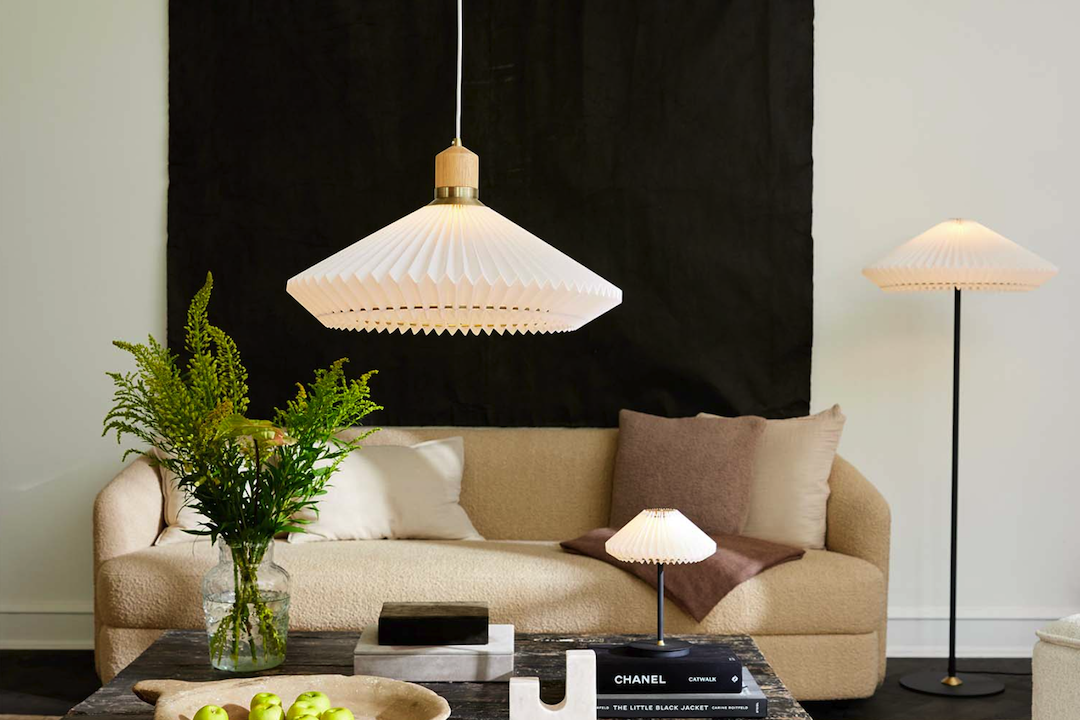
The retro pleated glass pendant chandelier represents a resurgence of a design aesthetic characterized by distinct textures, diffused light, and a nod to historical lighting trends. This article examines the origins, construction, and contemporary relevance of this fixture type, providing a comprehensive overview for those interested in its integration into modern interiors.
Historical Context and Design Evolution
The pleated glass aesthetic, while experiencing a recent revival, draws inspiration from various periods of design history. Understanding these influences can illuminate the fixture’s enduring appeal.
From Art Nouveau to Art Deco: Early Inspirations
The concept of manipulating glass for decorative and functional purposes is not new. Early 20th-century movements, particularly Art Nouveau and Art Deco, saw significant innovation in glasswork. Art Nouveau, with its organic forms and emphasis on craftsmanship, often incorporated fluted or textured glass to create soft, undulating light Simiglighting patterns. Art Deco, while typically championing geometric precision, also utilized molded and sometimes ribbed glass to achieve specific visual effects, often for grander, more opulent settings. These early applications laid the groundwork for the later development of more standardized pleated glass forms.
Mid-Century Modern and the Rise of Distinctive Shading
The mid-20th century witnessed a significant shift in lighting design. As manufacturing processes became more refined, designers explored new materials and forms. Pleated glass, often pressed or molded, became a popular choice for lampshades and pendants. Its ability to diffuse light evenly while adding visual interest made it suitable for both residential and commercial applications. The “retro” designation primarily refers to this mid-century period, where designs often prioritized functionality alongside aesthetic appeal, often incorporating elements of Scandinavian modernism or American industrial design.
Technological Advancements and Mass Production
The widespread adoption of pleated glass luminaires was facilitated by advancements in glass manufacturing. Techniques such as mold pressing and blowing allowed for the creation of intricate and consistent pleated patterns at scale. This accessibility contributed to its ubiquity during its heyday, making it a recognizable element in many homes and public spaces. The standardization of components also allowed for various configurations, from single pendants to multi-arm chandeliers, diversifying its application.
Construction and Materiality
The construction of a retro pleated glass pendant chandelier is characterized by specific material choices and manufacturing processes that contribute to its distinctive appearance and performance.
The Glass Shade: Pleating Techniques and Light Diffusion
The defining element of this chandelier type is its pleated glass shade. These pleats are typically formed through one of several methods:
- Mold Pressing: Molten glass is pressed into a mold containing the desired pleated pattern. This method allows for consistent and intricate designs.
- Blowing into a Mold: Glassblowers can inflate molten glass into a pre-formed mold, imprinting the pleats onto the surface. This technique can result in more organic variations.
- Thermoforming (for thinner glass): While less common for traditional pleated glass pendants, this process involves heating and shaping sheet glass into a form.
The pleats serve a dual purpose. Aesthetically, they create a textured surface that interacts with light, generating subtle shadows and highlights. Functionally, they act as a diffuser, scattering the light emitted from the bulb. This diffusion reduces harsh glare, creating a softer, more ambient illumination suitable for various environments. The degree of pleating, the thickness of the glass, and its transparency (clear, frosted, or tinted) all influence the quality and intensity of the diffused light.
Metalwork and Suspension Systems
Beyond the glass shade, the metal components play a crucial role in both the structural integrity and the overall aesthetic of the chandelier. Common materials include:
- Brass: Often associated with authentic retro designs, brass provides a warm, antique finish. It can be polished, satin, or patinated to achieve different visual effects.
- Steel (various finishes): Steel, due to its strength and versatility, is frequently used. Finishes range from polished chrome, brushed nickel, to matte black, allowing for integration into diverse interior schemes.
- Bronze: Similar to brass, bronze offers a rich, earthy tone, often seen in more traditional or industrial-inspired retro designs.
The suspension system, whether a rigid rod or a flexible cord, determines the chandelier’s hanging height and orientation. Multi-arm configurations utilize a central canopy and radiating arms to support multiple glass shades, often at varying heights to create a dynamic visual composition. The quality of the metalwork, including the jointing and finishing, contributes significantly to the fixture’s perceived value and longevity.
Electrical Components and Safety Standards
As with any lighting fixture, the electrical components are critical for safe and functional operation. These include:
- Lamp Holders (Sockets): Designed to accommodate various bulb types (Edison screw E26/E27, bayonet B22, etc.), ensuring compatibility with modern LED or traditional incandescent bulbs.
- Wiring: Insulated electrical wiring conforming to relevant safety standards for voltage and current.
- Canopy and Junction Box Connections: The ceiling canopy conceals the electrical connections to the building’s wiring system, providing a neat and secure installation point.
Adherence to national and international electrical safety standards (e.g., UL, CE, CCC) is paramount to ensure the safe operation of the chandelier. Reputable manufacturers will provide certification for their products.
Aesthetic Characteristics and Design Versatility
The retro pleated glass pendant chandelier possesses a distinctive aesthetic that allows for integration into a wide range of interior design styles.
Light Quality and Ambiance Creation
The most significant aesthetic contribution of the pleated glass shade is its effect on light quality. The pleats act as a natural diffuser, softening the emitted light and reducing harsh shadows. This results in a warm, ambient glow that contributes to a comfortable and inviting atmosphere. Unlike bare bulbs that can create stark contrasts, the diffused light from a pleated glass fixture spreads more evenly, filling the room with a gentle luminescence. Consider it a veil, gently softening the intensity of the light source, creating a more welcoming embrace.
Visual Texture and Material Interaction
The pleats themselves introduce a tactile and visual texture to the fixture. Even when unlit, the play of light on the textured surface creates subtle variations in tone and shadow. When illuminated, these textures become more pronounced, adding depth and interest. The interaction between the transparent or frosted glass and the light source generates a captivating visual effect, making the chandelier a focal point without being overtly ostentatious. This textural quality adds a layer of sophistication, much like a carefully folded fabric.
Integration into Interior Styles
The retro pleated glass pendant chandelier’s versatility allows it to seamlessly integrate with various interior design aesthetics:
- Mid-Century Modern: Its inherent retro aesthetic makes it a natural fit for mid-century modern interiors, complementing clean lines, organic forms, and natural materials.
- Contemporary: In contemporary settings, the chandelier can introduce a touch of warmth and vintage charm, acting as a counterpoint to minimalist or industrial elements. Its elegant form can prevent a space from feeling too sterile.
- Bohemian: The diffused light and handcrafted feel of some pleated glass designs can align with the eclectic and layered approach of bohemian decor.
- Transitional: Bridging traditional and modern styles, the chandelier can serve as a sophisticated centerpiece, offering familiar elegance with a contemporary edge.
- Industrial Chic: When paired with raw metal finishes and exposed elements, the pleated glass can soften the industrial aesthetic, creating a balanced and refined look.
The choice of metal finish (brass, chrome, black) and the specific shade design (more rounded, more angular) will further influence its suitability for particular styles.
Practical Considerations for Selection and Installation
Selecting and installing a retro pleated glass pendant chandelier requires careful consideration of several practical factors to ensure both aesthetic satisfaction and functional efficacy.
Sizing and Placement
The dimensions of the chandelier relative to the space it occupies are critical. A chandelier that is too small can appear lost, while one that is too large can overwhelm the room. General guidelines suggest:
- Dining Areas: The chandelier should be approximately half to two-thirds the width of the dining table. It should hang between 30 and 36 inches (76 to 91 cm) above the tabletop to avoid obstructing views while adequately illuminating the surface.
- Entryways/Stairwells: In areas with high ceilings, the bottom of the chandelier should be at least 7 feet (2.1 meters) from the floor to allow for comfortable passage underneath.
- Living Rooms: For general ambient lighting, placement above a coffee table or in a central location can work. The size should be proportional to the room’s dimensions.
Consider the visual weight and spread of the light. A single, larger pendant might suffice for a smaller area, while a multi-arm chandelier is more appropriate for larger rooms or to create a more dramatic statement.
Luminaire Compatibility and Light Source
Modern retro pleated glass chandeliers are designed to accommodate various lamp (bulb) types:
- LED Bulbs: Increasingly popular due to their energy efficiency, longevity, and versatility in color temperature. They produce minimal heat, which can be beneficial for glass shades.
- Incandescent Bulbs: While less energy-efficient, they offer a warm, familiar glow. However, they generate more heat and have a shorter lifespan.
- Dimmable Options: For maximum versatility, consider fixtures compatible with dimmable bulbs and dimmer switches. This allows for adjustment of light intensity to suit different moods and tasks.
The choice of bulb color temperature (measured in Kelvin) will significantly impact the ambiance. Warm white (2700K-3000K) creates a cozy atmosphere, while cooler white (3500K-4500K) can be more invigorating for task-oriented spaces. Often, a warmer light complements the retro aesthetic.
Installation Requirements and Professional Assistance
Installation of a chandelier, particularly larger or heavier models, typically requires professional expertise. Key installation considerations include:
- Ceiling Support: The ceiling structure must be able to adequately support the weight of the chandelier. If the existing electrical box is not rated for the fixture’s weight, reinforcement may be necessary.
- Electrical Wiring: Correct wiring is essential for safety and functionality. A qualified electrician can ensure proper connections to the mains power supply and adhere to local electrical codes.
- Adjustable Height: Many pendant chandeliers offer adjustable suspension lengths. This allows for precise positioning during installation, especially crucial over dining tables or in multi-level spaces.
- Assembly: Some chandeliers require extensive assembly of individual glass shades and arms. Detailed instructions are usually provided, but professional installers are accustomed to these processes.
Attempting to install a heavy or complex chandelier without adequate knowledge and tools can pose safety risks, including electrical shock or property damage.
Maintaining the Retro Pleated Glass Chandelier
Proper maintenance ensures the longevity and continued aesthetic appeal of your pleated glass chandelier.
Cleaning and Care of Glass Shades
The pleated nature of the glass can sometimes accumulate dust. Regular cleaning is essential:
- Dusting: Use a soft, dry microfiber cloth or a feather duster for routine dusting.
- Damp Cleaning: For more stubborn dirt or fingerprints, prepare a mild solution of warm water and a small amount of dish soap. Dampen a soft cloth (not dripping wet) and gently wipe the glass.
- Drying: Immediately follow with a clean, dry cloth to prevent water spots and streaks. For intricate pleats, cotton swabs can be used to reach crevices.
- Avoid Abrasives: Do not use abrasive cleaners, harsh chemicals, or rough sponges, as these can scratch or damage the glass finish.
- Safety First: Always turn off the power at the circuit breaker before cleaning any electrical fixture. Ensure the fixture is cool to the touch before handling.
Metalwork Maintenance
The metal components also require periodic cleaning to maintain their finish:
- Brass/Bronze: These metals can develop a patina over time. If a polished look is desired, use a specialized metal polish formulated for brass or bronze, following manufacturer instructions. For an aged look, simply wipe with a soft, dry cloth.
- Chrome/Nickel: These finishes are generally more resistant to tarnishing. Wipe with a damp cloth and then dry thoroughly with a soft cloth to prevent water spots.
- Matte Finishes: Matte black or other matte-finished metals can be cleaned with a damp cloth and a mild non-abrasive cleaner if necessary. Avoid harsh chemicals that could alter the matte appearance.
Regular inspection of all components for loose connections or wear and tear is also advisable, especially for older or heavily used fixtures.