

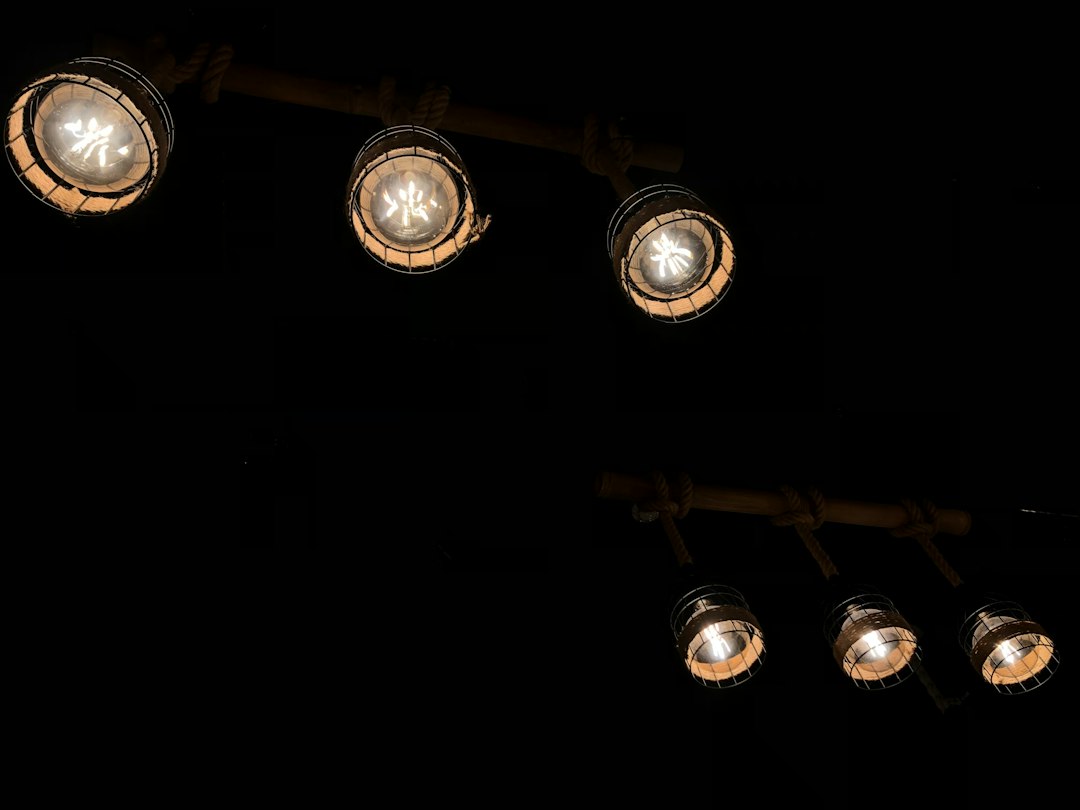
Getting straight to it, commercial track light prices can vary wildly, generally ranging from around $20 to $150 per fixture, with the overall project cost for a basic setup often landing between $500 to $3,000+ depending on the size of the space, quality of components, and complexity of the installation. Don’t worry, finding affordable options is definitely achievable with a little planning and understanding of what drives these costs. This guide will walk you through the practical aspects of budgeting for your commercial track lighting needs, focusing on smart choices without sacrificing functionality or aesthetics.
Decoding Track Lighting Costs: What You’re Really Paying For
Understanding the components that make up a track lighting system is key to making informed budget decisions. It’s not just about the light fixture itself; there’s a whole ecosystem of parts contributing to the final price tag.
The Core Components and Their Price Impact
Every track lighting system comprises several essential elements, each with its own cost implications. Knowing what these are helps you prioritize spending.
Track Sections: The Backbone of Your System
The track itself is the electrified rail that fixtures attach to. It comes in various lengths and configurations.
- Length: Longer sections typically offer better per-foot value but might require cutting. Common lengths are 2, 4, 6, and 8 feet.
- Type (H, J, L): These letters denote different track standards (H for Halo, J for Juno, L for Lightolier). It’s crucial that your fixtures and accessories match the track type. While they all perform the same basic function, their internal wiring and connection mechanisms differ. H-type is often the most widely available and potentially most affordable due to its ubiquity.
- Power Feed: This is where the track connects to your electrical supply. End feeds (connecting at the end of a track section) are common, while canopy feeds (connecting directly to a junction box in the ceiling) are also available. More specialized power feeds for suspended systems can add to the cost.
- Material and Finish: Aluminum is standard, with finishes like white, black, or brushed nickel. Specialized finishes or heavier-duty tracks for industrial applications can increase cost.
Track Heads (Fixtures): Where the Light Happens
This is arguably the most impactful component on your budget, as you’ll likely need several.
- Wattage and Lumens: Higher output often means higher cost, but also better illumination for larger spaces or specific task lighting. For commercial use, you’re generally looking for brighter outputs than residential.
- Beam Angle: Narrow beams (spotlights) are great for accentuating products, while wider beams (floodlights) offer general illumination. Some fixtures allow for adjustable beam angles, which adds to their versatility and price.
- LED vs. Halogen/CFL: LED fixtures are the clear winner for commercial applications in the long run, despite a higher upfront cost. They offer significant energy savings, longer lifespan, and less heat emission, translating to lower operational costs. Halogen and CFL options are typically cheaper initially but cost more over time due to energy consumption and bulb replacements.
- Dimming Capability: Dimmable fixtures offer flexibility in lighting levels but require compatible dimmers, which adds to the overall cost. Ensure both the fixture and the driver (if external) are dimmable.
- CRI (Color Rendering Index): For commercial spaces, especially retail or galleries, a high CRI (90+) is essential for accurately displaying colors. Higher CRI fixtures generally cost more but are a worthy investment for certain applications.
- Brand and Build Quality: Reputable brands often have higher prices but typically offer better warranties, consistent quality, and superior performance. Cheaper, unbranded options might fail sooner or have inconsistent light output.
Connectors and Accessories: Piecing It All Together
These seemingly small parts can quickly add up, especially for complex layouts.
- Straight Connectors: Used to join two track sections in a straight line.
- L-Connectors, T-Connectors, X-Connectors: For creating turns and branching off tracks. Each connection point adds a component cost.
- End Caps: Essential for safety and aesthetics, covering the open ends of the track.
- Suspension Kits: If you’re dropping the track from a high ceiling, suspension rods or cables will be needed. These add both material and installation complexity.
- Mounting Hardware: Screws, anchors, and other fasteners are usually included with track sections but it’s worth double-checking.
Strategic Budgeting for Commercial Track Lighting
Now that we know the components, let’s talk about how to make smart financial decisions without compromising your lighting goals.
Prioritizing Needs vs. Wants
Every commercial space has unique lighting requirements. Identifying what’s essential and what’s merely a preference will guide your spending.
Core Lighting Functionality
This is about ensuring adequate illumination for safety, general visibility, and task performance.
- Foot-candle requirements: Different commercial spaces have recommended foot-candle levels (e.g., retail might need 50-75 fc, offices 30-50 fc). Knowing this helps determine the total light output needed.
- Targeted illumination: Are you lighting products, workstations, or pathways? This dictates beam angles and fixture placement.
- Energy efficiency: LED is non-negotiable for long-term savings. Factor in the return on investment (ROI) from lower energy bills.
Aesthetic and Design Elements
While important, some aesthetic choices can significantly impact cost.
- Premium finishes: Brushed brass or custom colors will be pricier than standard white or black.
- Architectural fixtures: Unique designs or highly stylized track heads often come with a premium.
- Dimming systems: While beneficial for ambiance and energy management, they add complexity and cost to the electrical system.
The Long-Term Cost Perspective: ROI and Energy Savings
Focusing solely on upfront costs can be misleading. Commercial track lighting is an investment, and its true cost includes operational expenses over its lifespan.
LED: The Unbeatable Investment
The higher initial cost of LED fixtures is quickly recouped through substantial energy savings and reduced maintenance.
- Energy Consumption: LEDs use significantly less wattage to produce the same light output compared to halogens or even CFLs. This directly translates to lower electricity bills, which is a continuous saving.
- Lifespan: Commercial-grade LEDs typically last 50,000 hours or more, compared to 2,000-5,000 for halogens. This drastically reduces the frequency and cost of bulb replacements and the labor associated with them.
- Heat Output: LEDs produce very little heat, which can reduce the load on your HVAC system, leading to further energy savings, especially in larger spaces.
Maintenance and Replacement Costs
Consider the labor involved in replacing bulbs, especially if fixtures are mounted high or in hard-to-reach areas.
- Reduced Labor: With LEDs, the need for maintenance calls for bulb replacement is dramatically reduced, saving on labor costs and operational disruption.
- Warranty: Look for fixtures with good warranties (3-5 years is common for commercial LEDs) to protect your investment against premature failure.
Sourcing Smart: Where to Find Affordable Options
Once you have a clear picture of your needs and budget, the next step is finding the right suppliers and making smart purchasing decisions.
Reputable Online Retailers and Wholesalers
The internet offers a vast array of options, often at more competitive prices than traditional brick-and-mortar stores.
Specialized Lighting Stores Online
Many online retailers focus exclusively on lighting, offering a wider selection and better pricing for commercial-grade products.
- Volume Discounts: For larger projects, many online wholesalers offer tiered pricing, where the cost per unit decreases as you buy more.
- Brand Variety: You can often find a broader range of brands and styles than in a local store, making it easier to compare features and prices.
- Specification Sheets: Good online retailers provide detailed spec sheets, including lumens, CRI, beam angle, dimmability, and warranty information, which is crucial for commercial applications.
Direct from Manufacturer (for larger projects)
If you’re outfitting a very large space or multiple locations, reaching out directly to manufacturers might yield better pricing.
- Custom Orders: Manufacturers can sometimes accommodate custom lengths, finishes, or specific wattage requirements.
- Direct Support: Dealing directly can offer better technical support and warranty claims.
Navigating Budget Brands vs. Premium Brands
There’s a significant price difference between unbranded or budget-friendly options and established premium brands. Understanding when to splurge and when to save is key.
When to Opt for Budget-Friendly Options
- Low-Traffic Areas: For utility spaces, storage rooms, or areas where consistent, high-quality light isn’t paramount, budget fixtures might suffice.
- Temporary Installations: If the lighting is for a short-term pop-up shop or temporary display, investing heavily might not be necessary.
- Simple General Lighting: For basic ambient light without specific accentuation needs, simpler, less expensive fixtures can work.
The Value of Premium Brands
- Consistency and Reliability: Premium brands typically offer better quality control, leading to more consistent light output (color temperature, brightness) and longer lifespan.
- Better CRI and R9 Values: For retail, galleries, or spaces where color accuracy is crucial, premium brands often excel in delivering high CRI and R9 values (which measures the rendering of saturated red colors).
- Advanced Features: Better dimming performance, more robust housing, wider range of beam angles, and smarter controls are often found in higher-end products.
- Warranty and Support: Reputable brands generally offer stronger warranties and better customer support, which can be invaluable if issues arise.
Avoiding Common Pitfalls in Purchasing
- Mixing Track Types: Never mix H, J, or L type tracks and fixtures. They are not compatible and attempting to force them can be dangerous. Stick to one standard for your entire system.
- Underestimating Accessories: Don’t forget to budget for all the connectors, end caps, and power feeds. These small items can add up.
- Ignoring Dimmability: If you plan to dim your lights, ensure all components (fixtures, drivers, and the dimmer switch) are compatible with the chosen dimming protocol (e.g., ELV, MLV, 0-10V, DALI).
- Cheapening on CRI: For commercial spaces where product presentation or ambiance matters, don’t compromise on CRI. Poor color rendering can make merchandise look dull or colors appear inaccurate.
Installation Considerations: DIY vs. Professional
The cost of installation can be a significant portion of your total budget. Deciding whether to tackle it yourself or hire a professional requires a realistic assessment of complexity and skill.
When DIY Might Be an Option
For very simple, small-scale installations, a DIY approach could save on labor costs, but only if you have the necessary electrical knowledge and tools.
Simple Straight Runs in Accessible Areas
- Basic Electrical Competency: If you’re comfortable with basic electrical wiring, including turning off power at the breaker, stripping wires, and making secure connections within a junction box.
- Standard Ceiling Heights: For easily accessible ceilings (e.g., 8-10 feet) where no specialized lifting equipment is needed.
- Limited Number of Fixtures: For small offices, waiting areas, or retail kiosks with just a few track sections and fixtures.
Tools and Safety Precautions
- Essential Tools: You’ll need a voltage tester, wire strippers, screwdriver set, tape measure, drill, and potentially a multi-meter.
- Safety First: Always turn off the power at the circuit breaker before beginning any electrical work. Use insulated tools and follow local electrical codes. If you’re unsure at any point, call a professional.
- Local Codes: Be aware of and comply with local electrical codes. Some jurisdictions require permits or professional installation for commercial electrical work regardless of complexity.
The Case for Professional Installation
For most commercial track lighting projects, hiring a licensed electrician is the safest and most reliable approach, even with the added cost.
Complexity of Commercial Installations
- Higher Voltage and Load: Commercial systems often involve higher voltages, greater power loads, and more complex circuitry than residential setups.
- Multi-Track Systems: Layouts involving multiple interconnected tracks, corners, and branches are best handled by someone experienced in planning and executing these designs.
- Suspended Systems: Installing suspended track lighting requires specialized hardware and precise leveling, which can be challenging for a DIYer.
- Ceiling Types: Different ceiling materials (e.g., drywall, suspended ceiling tiles, concrete) require different mounting techniques and expertise.
Ensuring Safety and Compliance
- Electrical Codes: Licensed electricians are knowledgeable about national and local electrical codes (NEC in the US) and ensure your installation is compliant, preventing potential fines, safety hazards, or insurance issues.
- Warranty Protection: Many commercial equipment warranties are contingent on professional installation.
- Liability: In a commercial setting, electrical fires or accidents due to improper installation can have severe legal and financial consequences. Professionals carry insurance to cover such eventualities.
Project Management and Efficiency
- Expert Advice: Electricians can offer valuable input on optimal track placement, fixture selection, and power supply considerations, potentially saving you money in the long run.
- Time Savings: Professionals can complete the installation much more quickly and efficiently than an amateur, minimizing disruption to your business operations.
- Troubleshooting: If issues arise during or after installation, a professional can diagnose and fix them efficiently.
Typical Installation Costs
- Hourly Rates: Electrician rates vary by region but typically range from $75 to $150 per hour.
- Project-Based Quotes: For larger jobs, you might get a flat-rate quote. This can range from a few hundred dollars for a very simple setup to several thousand for a complex, multi-zone system.
- Factors Affecting Cost:
- Number of fixtures and track sections: More components mean more labor.
- Ceiling height and accessibility: High ceilings or difficult access increase labor time and might require specialized equipment.
- Existing electrical infrastructure: If new wiring or dedicated circuits are needed, costs will be higher.
- Location: Urban areas generally have higher labor costs than rural areas.
Maximizing Value: Tips for Long-Term Savings
Once your track lighting is installed, there are still ways to optimize its performance and ensure you’re getting the best value over its lifespan.
Smart Lighting Controls
Implementing intelligent controls can further enhance energy efficiency and usability.
Dimmers and Occupancy Sensors
- Dimmers: Beyond creating ambiance, dimming LED lights reduces power consumption, extending their lifespan and saving energy. For commercial spaces, 0-10V dimming is a robust and widely used standard.
- Occupancy/Vacancy Sensors: In areas like storage rooms, hallways, or restrooms, lights can be set to turn on only when someone is present and turn off after a set period of inactivity. This prevents unnecessary energy waste.
Timer and Scheduling Systems
- Automated On/Off: Program your lights to turn on and off automatically at specific times, aligning with business hours or security needs. This prevents staff from forgetting to turn lights off at closing.
- Daylight Harvesting: In spaces with significant natural light, sensors can automatically dim or turn off artificial lights when ambient light levels are sufficient, providing substantial energy savings.
Regular Maintenance and Cleaning
Even though LEDs are low-maintenance, a little care can go a long way in preserving their performance and appearance.
Cleaning Fixtures and Tracks
- Dust and Dirt Accumulation: Over time, dust and grime can accumulate on track heads and lenses, reducing light output and efficiency.
- Gentle Cleaning: Regularly wipe down fixtures with a soft, dry or slightly damp cloth. Avoid harsh chemicals that could damage finishes.
- Safety First: Always turn off power to the track before cleaning any electrical components.
Inspecting Connections and Components
- Loose Connections: Periodically check track heads to ensure they are securely seated in the track. Vibrations or accidental bumps can sometimes loosen them, leading to intermittent power.
- Wear and Tear: Though rare with LEDs, keep an eye out for any flickering, changes in light color, or physical damage to the track or fixtures. Address these promptly to prevent further issues.
- Professional Check-ups: For large or complex systems, consider a periodic inspection by an electrician to ensure all wiring and connections remain safe and efficient.
By carefully considering all these factors – from initial component costs and long-term energy savings to installation choices and ongoing maintenance – you can confidently plan and execute a commercial track lighting project that meets your budget and illuminates your space effectively for years to come.